Annapurna Base Camp Trek in December: Snow-Covered Himalayan Landscapes, Peaceful Trails, and an Unforgettable Winter Adventure in Nepal!
The Annapurna Base Camp Trek in December offers a completely different perspective of the Himalayas compared to the busy autumn trekking season. As winter gradually settles across the Annapurna region, the trails become quieter, the mountain air turns crisp and clear, and fresh snow begins decorating the higher elevations of the Annapurna Sanctuary.
For trekkers seeking solitude, dramatic mountain scenery, and a more authentic Himalayan experience, December can be one of the most rewarding times to trek to Annapurna Base Camp (4,130m). The famous trekking route passes through traditional Gurung and Magar villages, terraced hillsides, dense rhododendron forests, and deep river valleys before reaching the heart of the Annapurna Sanctuary, surrounded by some of the world's highest mountains.
December offers a calmer atmosphere on the trail, and the teahouses remain open, the weather is generally stable, and views of Annapurna I, Machhapuchhre (Fishtail), Annapurna South, Hiunchuli, and Gangapurna are often exceptionally clear, thanks to low humidity and minimal atmospheric haze.
Wastemperatures drop especially in the mornings and evenings, the reward is a breathtaking winter landscape where snow-covered peaks rise above pristine valleys under deep blue Himalayan skies.
For adventurers who don’t mind cooler conditions, the Annapurna Base Camp Trek in December offers an extraordinary blend of mountain beauty, peaceful trekking trails, cultural experiences, and unforgettable winter scenery.
Annapurna Base Camp Trek in December – Experience the Annapurna Sanctuary in winter
Annapurna Base Camp Trek in December represents the beginning of Nepal’s winter trekking season. Although many travelers assume winter is too cold for Himalayan trekking, December often provides surprisingly favorable conditions for the Annapurna Base Camp route.
One of the biggest attractions of December trekking is the incredible mountain visibility. The cold and dry winter air creates exceptionally clear conditions, allowing trekkers to enjoy uninterrupted views throughout much of the journey. Snow begins to appear at higher elevations, adding dramatic contrast to the already spectacular landscapes of the Annapurna region.
As trekkers ascend toward Annapurna Base Camp, the scenery gradually shifts from traditional mountain villages and forest trails to snow-dusted alpine landscapes dotted with towering Himalayan peaks. The highlight of the journey remains the arrival at Annapurna Base Camp itself, where trekkers stand in the center of a magnificent natural amphitheater surrounded by:
Annapurna I (8,091 m)
Annapurna South
Machhapuchhre (Fishtail)
Hiunchuli
Gangapurna
Annapurna III
During clear December mornings, the sunrise over the Annapurna Sanctuary creates one of the most spectacular mountain panoramas in Nepal. Another major advantage of ABC trekking in December is the peaceful atmosphere. With fewer trekkers on the route, the trail feels quieter, teahouses are less crowded, and you will enjoy the many viewpoints without the peak-season crowds.
If you are seeking clear Himalayan views, winter scenery, authentic mountain culture, and one of Nepal’s most iconic trekking experiences, the Annapurna Base Camp Trek in December offers an unforgettable journey into the heart of the Himalayas.
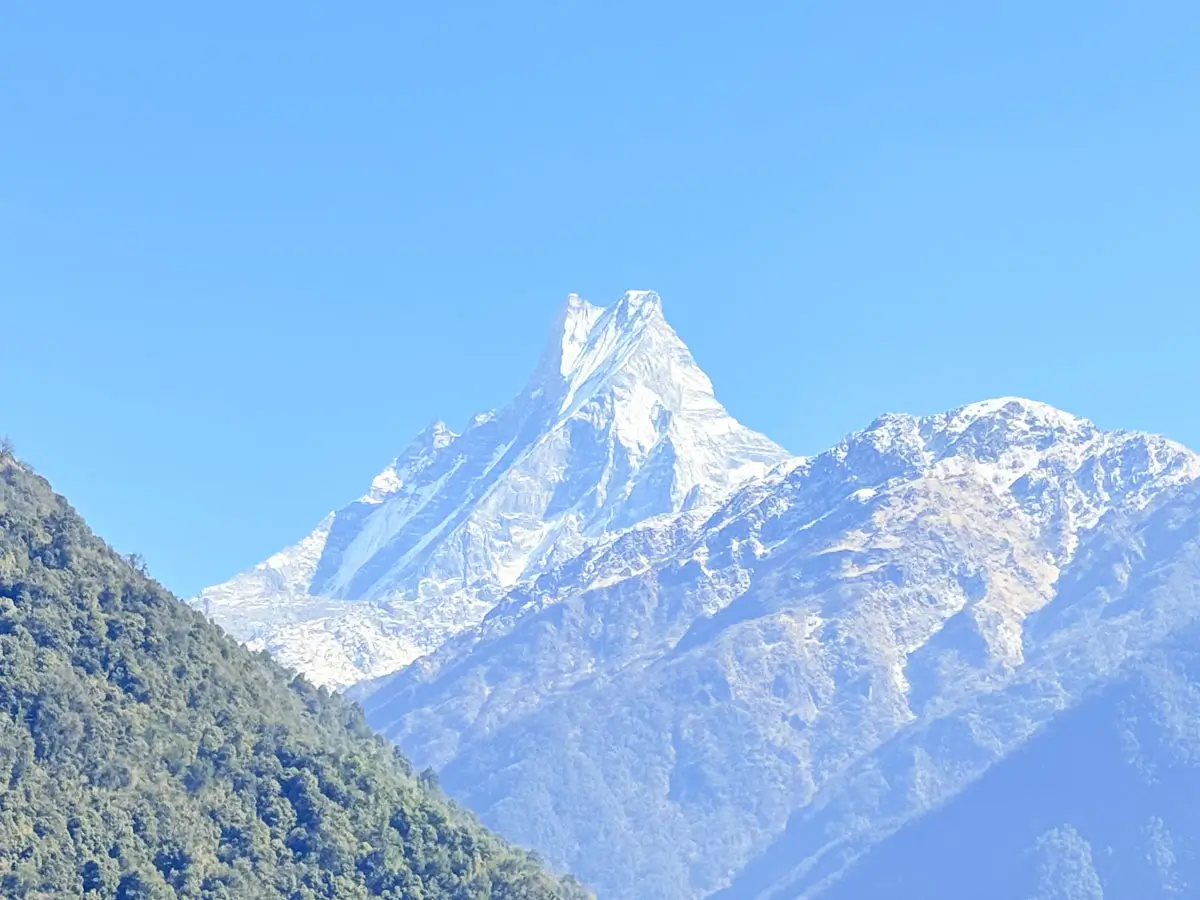
Fishtail View on ABC Trail!
Best Annapurna Base Camp Treks For SeptemberDecember
Clear Winter Skies, Crisp Mountain Air, and Spectacular Himalayan Visibility: The Annapurna Base Camp Trek in December marks the beginning of the winter season in the Annapurna region, and temperatures become noticeably colder than in autumn, often providing some of the clearest weather and most spectacular mountain views of the entire year.
The humidity drops significantly, the skies become exceptionally clear, and the mountain air turns crisp and refreshing in December, resulting in outstanding visibility throughout the trek.
Unlike the monsoon season, rainfall is extremely rare during December. Most trekking days are dry, stable, and sunny, making the route surprisingly favorable for winter trekking.
Although higher elevations experience freezing temperatures in the mornings and evenings, the combination of clear skies, low precipitation, and peaceful mountain conditions makes December one of the most rewarding months to visit Annapurna Base Camp.
Morning Weather Conditions
The mornings during the Annapurna Base Camp Trek in December are typically cold, calm, and exceptionally clear, and you experience:
Crisp mountain air
Frost-covered trails at higher elevations
Deep blue skies before sunrise
Excellent visibility across the Annapurna range
Cold but refreshing temperatures: Early mornings usually offer the best mountain views of the day, particularly around Machhapuchhre Base Camp and Annapurna Base Camp.
Sunrise Conditions at Annapurna Base Camp
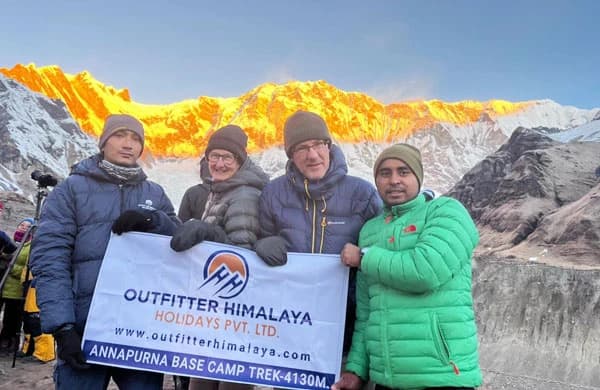
Sunrise at Annapurna Base Camp is one of the most unforgettable experiences of the trek, and during clear December mornings, trekkers may witness:
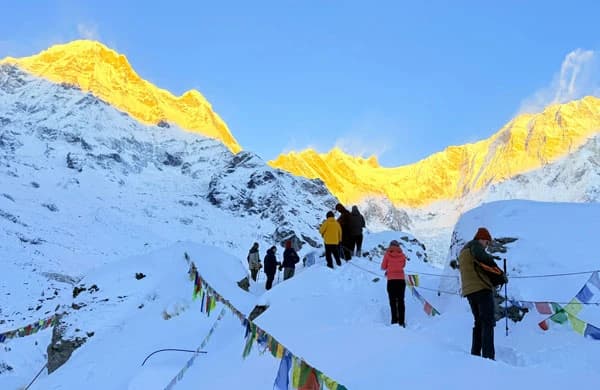
Golden sunlight illuminating Annapurna I
Machhapuchhre glowing against clear skies
Snow-covered peaks reflecting morning light
Panoramic views across the Annapurna Sanctuary
Morning temperatures at Annapurna Base Camp typically range between:
-8°C to -2°C
Late December mornings can occasionally feel colder, especially after overnight snowfall. Warm clothing is essential for enjoying the sunrise comfortably.
Daytime Weather Conditions
Despite cold mornings, daytime trekking conditions remain relatively comfortable, and the typical daytime conditions include:
Sunny weather
Low humidity
Dry trekking trails
Stable visibility
Cool but manageable temperatures
When the sun is out, trekking feels much more comfortable than many people expect during winter. The clear skies and dry atmosphere often create ideal walking conditions throughout the day.
Nighttime Weather Conditions
Nighttime temperatures become significantly colder, particularly above Deurali, and the typical nighttime conditions include:
Freezing temperatures
Cold mountain winds
Frost formation around lodges
Clear winter skies
Trekkers staying at Machhapuchhre Base Camp and Annapurna Base Camp should prepare for sub-zero temperatures during most December nights. Warm sleeping bags and insulated clothing are highly recommended.
Temperature Range by Elevation in December
Temperatures vary considerably depending on altitude throughout the trek.
Cooler temperatures become more noticeable as trekkers move deeper into the valley.
Higher Elevations (3,000m–4,130m)- Deurali, Machhapuchhre Base Camp, Annapurna Base Camp
Daytime: 2°C to 10°C
Night: -8°C to -2°C
This section experiences true winter conditions, particularly during mornings and evenings.
Snowfall Pattern in December
December marks the beginning of the snowfall season in the Annapurna Sanctuary.
Early December -Trekkers often experience:
Mostly dry trails
Occasional light snowfall at higher elevations
Stable weather conditions
Mid-December- Conditions may include:
Increasing snowfall around Annapurna Base Camp
Snow-covered sections above Deurali
Colder nighttime temperatures
Late December -Trekkers may encounter:
Fresh snow accumulation
More winter-like scenery
Colder mornings and evenings
Increased chances of snowfall at higher elevations
Snow conditions vary from year to year depending on weather patterns.
Mountain Visibility in December
One of the greatest advantages of trekking in December is exceptional mountain visibility. The cold, dry atmosphere creates some of the year's clearest panoramic views. Trekkers can often enjoy spectacular views of:
Annapurna I (8,091 m)
Machhapuchhre (Fishtail)
Annapurna South
Hiunchuli
Gangapurna
Annapurna III
Tent Peak
The snow-covered mountains appear particularly dramatic under December's deep blue skies. Photography conditions are often outstanding throughout the trek.
Why December Visibility Is So Exceptional
December visibility becomes remarkably clear because:
Humidity remains very low
Atmospheric haze is minimal
Winter air is clean and crisp
Rainfall is almost non-existent
These factors combine to create some of the sharpest mountain panoramas available in the Annapurna region. Trekkers often enjoy uninterrupted Himalayan views from the moment they enter the Annapurna Sanctuary until they reach Base Camp.
Why December Weather Is Perfect for Annapurna Base Camp Trek
December successfully combines:
Stable winter weather
Crystal-clear mountain views
Dry trekking conditions
Spectacular snow scenery
Fewer crowds
Excellent photography opportunities
Peaceful Himalayan atmosphere
While temperatures are colder than during autumn, many trekkers consider the incredible visibility, quiet trails, and magical winter landscapes well worth the extra layers.
If you are seeking a unique Himalayan adventure with breathtaking mountain scenery and authentic winter trekking conditions, the Annapurna Base Camp Trek in December offers one of the most rewarding experiences in Nepal.
Culture and Village Life During the Annapurna Base Camp Trek in December
Experience traditional Himalayan Hospitality in the heart of the Annapurna Region: The Annapurna Base Camp Trek is famous for its spectacular mountain scenery, snow-covered landscapes, and high-altitude adventure; however, the cultural experience along the route is equally rewarding. The ABC journey passes through traditional Gurung villages, terraced farmlands, ancient mountain trails, and welcoming communities.
In December, the quieter trekking atmosphere allows travelers to experience village life more authentically. With fewer trekkers on the trail, interactions with local people often feel more personal and meaningful.
The combination of Himalayan culture, traditional lifestyles, and breathtaking mountain scenery creates one of the most complete trekking experiences in Nepal.
Discover Traditional Gurung Communities
The Gurung community inhabits many villages along the Annapurna Base Camp route, one of Nepal’s most respected mountain ethnic groups, and you can experience this throughout the trek.
Traditional stone houses
Mountain farming lifestyles
Local customs and traditions
Family-run teahouses
Centuries-old Himalayan culture
The Gurung people are known for their hospitality, resilience, and deep connection to the mountains. Villages such as Ghandruk and Chhomrong offer excellent opportunities to learn about local traditions.
Explore Beautiful Mountain Villages
One of the most enjoyable aspects of the trek is walking through picturesque Himalayan settlements, including the popular villages:
Ghandruk is one of the most famous Gurung villages in Nepal, known for:
Traditional architecture
Cultural heritage
Spectacular Annapurn views
Local museums and cultural attractions
Chhomrong is the gateway to the Annapurna Sanctuary, offering:
Stunning mountain scenery
Terraced hillsides
Vibrant village atmosphere
An important resting point for trekkers
Sinuwa and Bamboo are smaller settlements surrounded by forests where trekkers experience a quieter side of mountain life, and each village has its own character, culture, and unique connection to the Annapurna region.
Experience Authentic Himalayan Hospitality
Hospitality is one of the defining features of the Annapurna Base Camp Trek. Even during the colder winter season, trekkers are warmly welcomed into family-run teahouses throughout the route you will enjoy:
Warm meals after long trekking days
Conversations with local hosts
Comfortable mountain lodges
Genuine kindness and hospitality
Winter Creates a More Peaceful Cultural Experience
December offers a different cultural atmosphere, and you can experience:
Quieter villages
Less crowded teahouses
More relaxed local interactions
Peaceful mountain surroundings
Without the busy crowds, many travelers feel they gain a deeper appreciation of village life and local culture. The slower pace allows more time to observe everyday life in the Himalayas.
Traditional Farming Life in the Annapurna Hills
Although winter begins arriving in December, agricultural life continues throughout many lower-elevation villages, and you may observe:
Terraced farmlands
Livestock grazing near settlements
Traditional farming methods
Daily village routines
These scenes provide insight into how mountain communities have adapted to life in the Himalayas for generations.
Buddhist and Spiritual Influences Along the Trail
The Annapurna region is home to many spiritual and cultural symbols that reflect its religious traditions, and you can encounter them throughout the trek:
Colorful prayer flags
Buddhist shrines
Chortens and stupas
Sacred mountain symbols
These elements add a unique spiritual atmosphere to the journey and reflect the deep connection between local communities and the surrounding mountains.
Cozy Teahouse Evenings in Winter
One of the most memorable experiences during the December trek is spending evenings inside traditional Himalayan teahouses. After a day of walking through cold mountain landscapes, trekkers often gather around dining hall stoves to enjoy:
Traditional Nepali meals
Hot tea and coffee
Conversations with fellow trekkers
Stories from local guides and hosts
These simple moments create lasting memories and highlight the human side of the Annapurna Base Camp experience.
A Perfect Blend of Culture and Adventure
Unlike some trekking routes that focus primarily on mountain scenery, the Annapurna Base Camp Trek offers a rich combination of:
Himalayan culture
Traditional villages
Local hospitality
Spiritual heritage
Spectacular mountain landscapes
This balance is one of the reasons the trek remains one of Nepal's most beloved adventures. In December, when the trails become quieter and the mountains more serene, the cultural side of the journey often becomes even more meaningful and unforgettable.
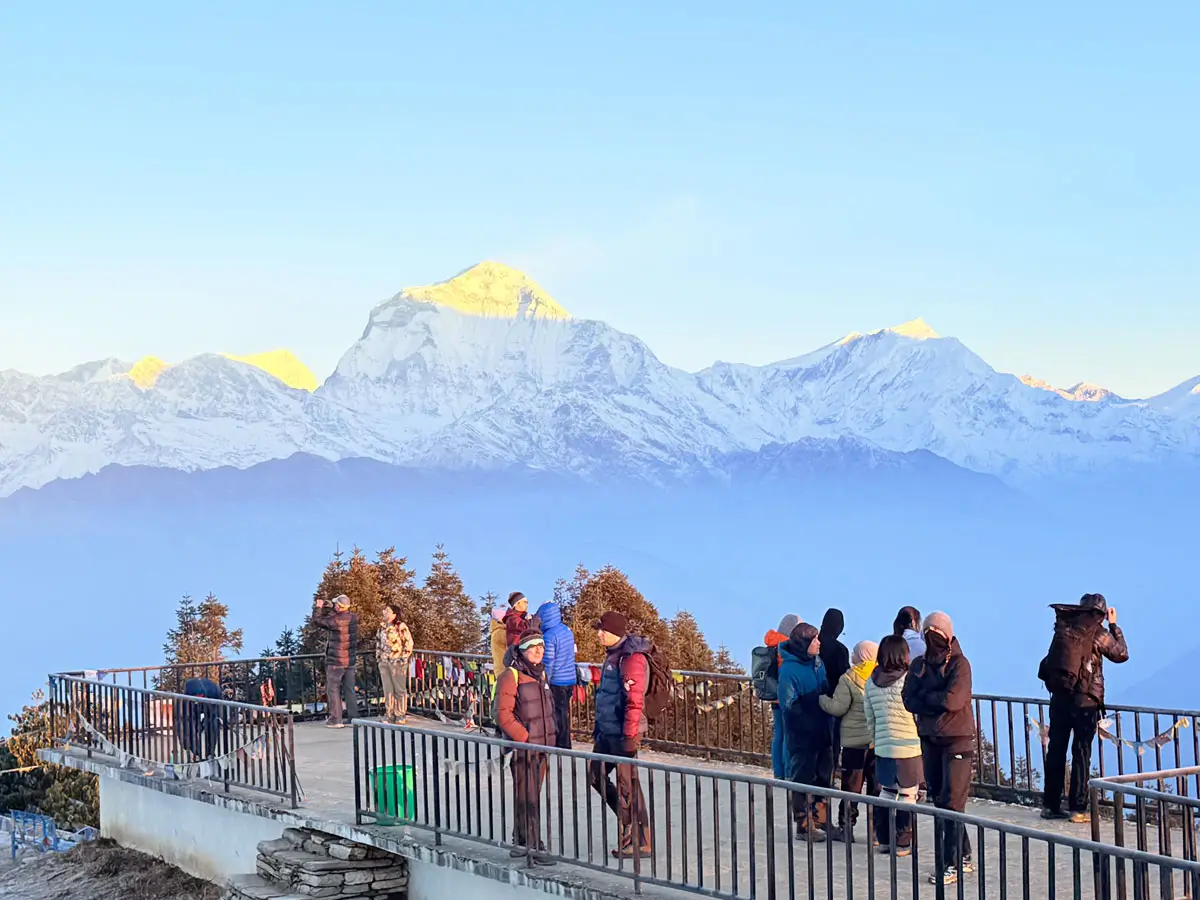
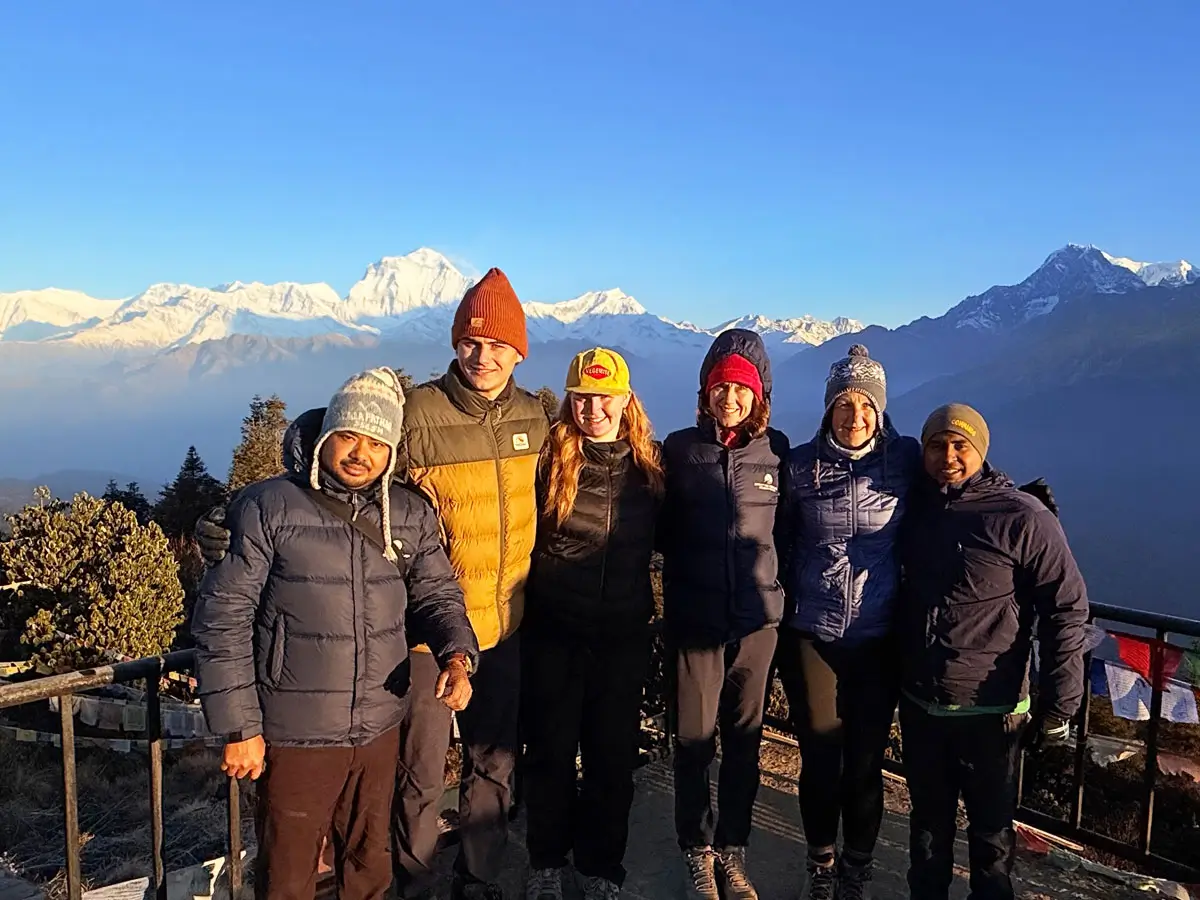
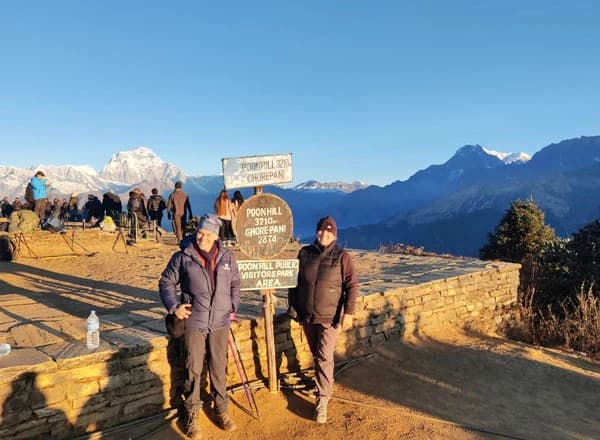
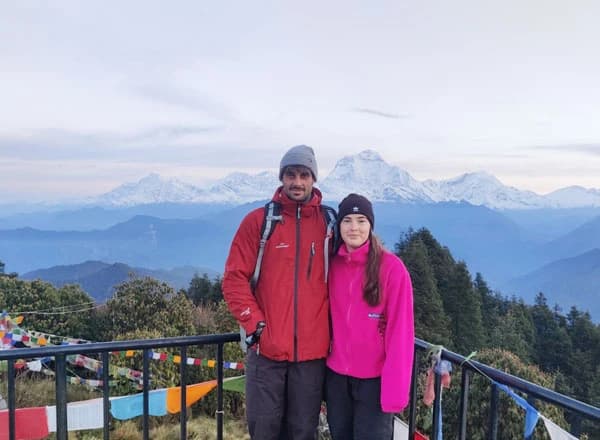
Himalaya view from Poon Hill!
Best Weeks to Trek Annapurna Base Camp in December
Choosing the Right Time for the Best Weather, Snow Conditions, and Mountain Views: The Annapurna Base Camp Trek in December offers incredible trekking opportunities throughout the month, but conditions gradually change as winter progresses. Early December feels quite different from late December in terms of temperature, snowfall, crowd levels, and overall trekking atmosphere.
While the entire month is suitable for trekking, understanding seasonal differences can help travelers choose the best period for their preferences, and each phase of December offers its own unique advantages.
Early December (1st to 10th December)- The Best Balance Between Autumn and Winter
Early December is often considered one of the most comfortable times to trek to Annapurna Base Camp. The weather remains highly stable, while winter conditions are only beginning to develop at higher elevations, and trekkers can expect:
Excellent mountain visibility
Relatively mild daytime temperatures
Dry trekking trails
Lower chance of heavy snowfall
Comfortable trekking conditions
Snow may begin appearing around:
Deurali
Machhapuchhre Base Camp
Annapurna Base Camp
But usually does not significantly affect the trail. Many experienced guides consider early December one of the most underrated periods for the Annapurna Base Camp Trek, and it is best for:
First-time ABC trekkers
Beginner winter trekkers
Photographers
Travelers seeking stable weather
Those wanting fewer crowds than in November
Mid December (11th–20th December)- The Perfect Combination of Winter Scenery and Stable Conditions
Mid-December offers many trekkers what they consider the ideal winter trekking experience, and by this time:
Mountain visibility becomes exceptional
Snow coverage increases at higher elevations
Trails become quieter
Winter scenery becomes more dramatic
Trekkers often enjoy:
Fresh snow around Annapurna Sanctuary
Crystal-clear skies
Peaceful trekking atmosphere
Spectacular sunrise views
The Annapurna range looks particularly impressive during this period because snow accumulation begins, enhancing the already dramatic landscape. Many photography enthusiasts prefer mid-December because it combines winter beauty with reliable trekking conditions, and is best for:
Mountain photography
Snow lovers
Experienced trekkers
Travelers seeking classic winter scenery
Those wanting fewer crowds
Last December (21st to 31st December)- A True Himalayan Winter Experience
Late December marks the transition into Nepal’s core winter trekking season, and trekkers may encounter:
Colder temperatures
Increased snowfall probability
Frozen morning trails
More winter-like conditions at higher elevations
However, the rewards remain extraordinary and the trekker's experience:
Incredibly quiet trails
Snow-covered mountain landscapes
Peaceful teahouse atmosphere
Exceptional mountain visibility
The Annapurna Sanctuary becomes especially magical during late December when fresh snow enhances the surrounding Himalayan scenery. While conditions become more demanding, many experienced trekkers consider late December one of the most beautiful times to visit Annapurna Base Camp and best for:
Experienced winter trekkers
Travelers seeking solitude
Photographers
Adventure seekers
Trekkers are comfortable with colder temperatures.
Overall Recommendation
For most trekkers, mid-December offers the best overall balance of:
Stable weather
Fresh snow scenery
Crystal-clear mountain views
Manageable winter conditions
Peaceful trekking atmosphere
However, December remains one of the most rewarding times to undertake the Annapurna Base Camp Trek, especially for travelers seeking a quieter, more scenic alternative to Nepal’s busy autumn trekking season.
Highlights of Annapurna Base Camp Trek in December
Witness the Annapurna Sanctuary Covered in Fresh Winter Snow: December transforms the higher elevations of the Annapurna region into a breathtaking winter landscape with snow-dusted trails, frozen alpine scenery, and spectacular mountain panoramas.
Experience Crystal-Clear Views of Annapurna I and Surrounding Peaks: The cold winter air significantly improves visibility and offerers some of the clearest mountain views of the year.
Stand at Annapurna Base Camp (4,130 m) Surrounded by Himalayan Giants: Experience the unique feeling of standing inside the natural amphitheater of the Annapurna Sanctuary, surrounded by towering snow-covered peaks.
Enjoy Peaceful Trails Away from Peak-Season Crowds: December offers a quieter trekking experience compared to the busy autumn months of October and November.
Witness Spectacular Sunrise and Sunset views in the Himalayas: Clear winter mornings and evenings create magical lighting conditions across the Annapurna range.
Trek Through Diverse Landscapes from Villages to Alpine Wilderness: The route passes through terraced farmlands, traditional mountain villages, dense forests, deep valleys, and high-altitude alpine terrain.
Experience Traditional Gurung and Magar Culture Along the Trail: Visit beautiful villages such as Ghandruk, Chhomrong, and Sinuwa while experiencing authentic mountain hospitality and local traditions.
Capture Incredible Winter Photography Across the Annapurna Region: Snow-covered mountains, deep blue skies, and dramatic Himalayan landscapes create exceptional photography opportunities throughout the trek in December.
Enjoy Comfortable Teahouse Trekking Despite Winter Conditions: Most teahouses remain open in December and offers trekkers warm meals, comfortable accommodation, and authentic mountain hospitality.
Experience the Famous Machhapuchhre Base Camp (3,700 m): Before reaching Annapurna Base Camp, trekkers you pass through Machhapuchhre Base Camp, one of the most scenic viewpoints in the Annapurna region.
Enjoy Dry, Stable Winter Weather in the Annapurna Region: December typically brings low precipitation, creating safer, more predictable trekking conditions.
Experience One of Nepal’s Most Iconic Himalayan Treks in a Unique Season: The Annapurna Base Camp Trek in December combines adventure, solitude, culture, and spectacular mountain scenery into one unforgettable winter journey.
Witness Star-Filled Himalayan Nights in the Annapurna Sanctuary: The dry winter atmosphere often offers incredible night skies with exceptional star visibility above the snow-covered mountains.
Experience the Magic of Winter Trekking in Nepal Without Extreme Technical Difficulty: Unlike many high-altitude winter expeditions, the Annapurna Base Camp Trek remains achievable for prepared trekkers while still delivering a true Himalayan adventure.
Why Trek Annapurna Base Camp in December – Reasons to Trek ABC in December
The ABC in December is dramatically different from the busy autumn trekking season. While many trekkers choose October and November for stable weather and clear skies, December rewards adventurous travelers with peaceful trails, fresh snowfall, crystal-clear mountain views, and a more intimate connection with the Annapurna Sanctuary.
The landscape transforms into a spectacular blend of snow-covered peaks, frozen alpine scenery, and pristine mountain valleys as winter gradually descends. The crowds in Annapurna Sanctuary begin to thin, creating a quieter, more authentic trekking atmosphere that many experienced trekkers consider even more rewarding than the peak season.
If you are prepared for colder temperatures, December offers some of the most memorable trekking experiences available in Nepal.
Experience the Annapurna Sanctuary in a stunning winter landscape.
One of the biggest reasons to trek to Annapurna Base Camp in December is the incredible winter scenery that develops throughout the Annapurna Sanctuary. As trekkers gain elevation, the landscape gradually changes from traditional mountain villages and green forests to alpine terrain decorated with fresh snow and frost-covered surroundings, and you can enjoy:
Snow-dusted mountain trails
Frozen alpine landscapes
Pristine glacier valleys
Dramatic winter scenery
Peaceful Himalayan wilderness
The higher sections of the ABC trek become more beautiful as winter conditions begin transforming the Annapurna region into a Himalayan wonderland.
Enjoy Some of the Clearest Mountain Views of the Entire Year
December offers some of the best mountain visibility in Nepal. The cold and dry winter air removes much of the haze, humidity, and atmospheric moisture that can sometimes affect visibility during other seasons, and trekkers often enjoy uninterrupted views of:
Annapurna I (8,091 m)
Annapurna South
Machhapuchhre (Fishtail)
Hiunchuli
Gangapurna
Annapurna III
The mountains appear incredibly sharp against deep blue skies, creating breathtaking panoramic views throughout the trek. December often provides some of the clearest Himalayan scenery of the entire year for photographers and mountain lovers.
Trek Without the Crowds of Peak Autumn Season
October and November attract thousands of trekkers to the Annapurna region. By December, the number of visitors begins to decrease significantly, and trekkers benefit from:
Quieter trails
Less crowded viewpoints
Peaceful teahouse environments
Easier accommodation availability
More personal trekking experience
Many travelers consider this one of the biggest advantages of winter ABC trekking, and the Annapurna Sanctuary feels more natural, peaceful, and immersive when fewer people are on the trail.
Witness Fresh Snow Around Annapurna Base Camp
December often brings the first significant snowfall to the higher elevations of the Annapurna region, and conditions vary from year to year. Trekkers frequently encounter:
Snow-covered ridges
White alpine meadows
Frozen streams
Fresh snowfall around base camp
These winter conditions create a very different visual experience from autumn trekking. Standing at Annapurna Base Camp surrounded by snow-covered Himalayan giants is an unforgettable experience that many trekkers never forget.
Experience a More Peaceful and Authentic Himalayan Journey
One of the hidden advantages of trekking in December is the sense of solitude, as you can enjoy it without the large crowds of peak season.
Peaceful forest walks
Quiet mountain mornings
Uncrowded viewpoints
Deeper connection with nature
More meaningful village interactions
The entire journey feels more personal and authentic. The silence of the winter Himalayas often becomes one of the most memorable aspects of the trek.
Enjoy Stable Winter Weather and Low Rainfall
Despite being a winter month, December generally offers stable weather across the Annapurna region, and trekkers often experience:
Dry trekking conditions
Minimal rainfall
Predictable weather patterns
Excellent visibility
Stable mountain conditions
Unlike the monsoon season, weather-related disruptions are relatively uncommon. This stability makes December one of the most reliable winter months for trekking in Nepal.
Capture Extraordinary Photography Conditions
For photographers, December is one of the most rewarding months in the Annapurna region, and the combination of:
Fresh snow
Crystal-clear skies
Dramatic mountain contrasts
Golden sunrise light
Sharp visibility
Creates ideal photography opportunities, and some of the most spectacular images of Annapurna Base Camp are captured during the early winter season.
Experience Cozy Teahouse Life During Winter
After a day of trekking through cold mountain landscapes, the teahouse experience becomes even more enjoyable, and trekkers often look forward to:
Warm dining halls
Hot meals and drinks
Conversations around heaters
Peaceful mountain evenings
Traditional Himalayan hospitality
The contrast between the cold outdoor environment and the warmth of mountain lodges creates a uniquely rewarding trekking atmosphere. For many trekkers, these cozy evenings become some of their favorite memories of the journey.
Challenge Yourself with a Unique Seasonal Adventure
Trekking to Annapurna Base Camp in December feels more adventurous than trekking during the autumn months, and trekkers experience:
Winter mountain conditions
Colder temperatures
Snow-covered scenery
Fewer crowds
A stronger sense of exploration
Without becoming overly technical or dangerous. For many travelers, this balance between challenge and accessibility makes December particularly appealing.
Experience Annapurna Base Camp at Its Most Magical and Serene
Perhaps the greatest reason to trek to Annapurna Base Camp in December is the atmosphere itself and the combination of:
Snow-covered mountains
Peaceful trails
Crystal-clear skies
Cold mountain air
Quiet Himalayan landscapes
creates a magical environment that is difficult to experience during busier seasons.
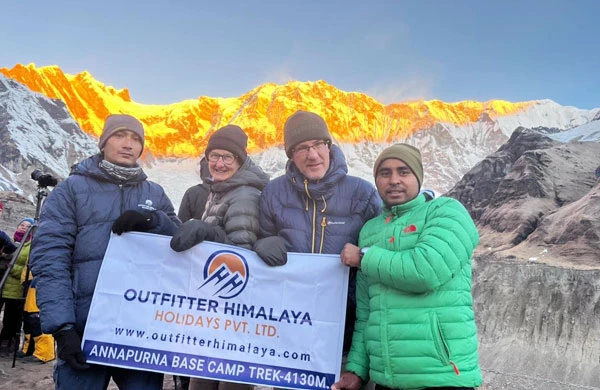
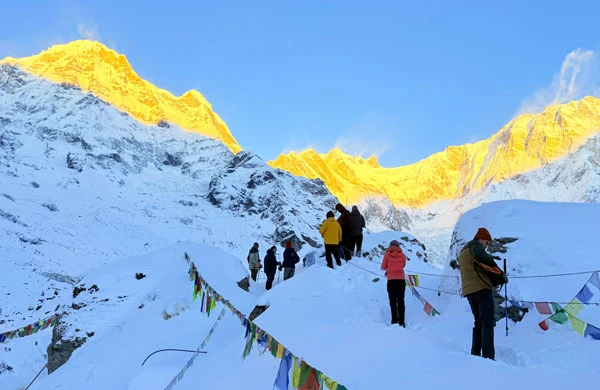
Watching the first sunlight illuminate Annapurna I while standing inside the snow-covered Annapurna Sanctuary is one of the most unforgettable moments in Himalayan trekking. For trekkers seeking beauty, solitude, adventure, and extraordinary mountain scenery, the Annapurna Base Camp Trek in December offers one of the most rewarding winter trekking experiences in Nepal.
The Poon Hil View Point!
Cons of Annapurna Base Camp Trek in December - Winter Challenges for December Trek
While the ABC Hike in December offers spectacular mountain views, peaceful trails, and unforgettable winter scenery, trekkers should also be aware of the additional challenges that come with winter hiking.
December brings colder temperatures, occasional snowfall, and shorter daylight hours. However, most of these challenges are manageable with proper preparation, suitable clothing, and realistic expectations. Understanding these seasonal considerations helps trekkers plan more effectively and enjoy a safer and more comfortable journey to Annapurna Base Camp.
Colder temperatures at Higher Elevations
The most noticeable challenge during the December trek is the cold, especially as trekkers approach Machhapuchhre Base Camp (3,700 m) and Annapurna Base Camp (4,130 m), and trekkers may experience:
Freezing morning temperatures
Cold mountain winds
Frosty trails at higher elevations
Chilly evenings and nights
Night temperatures around Annapurna Base Camp often drop below freezing in December, so proper winter clothing and layering are essential to staying comfortable.
Possibility of Snowfall Above Machhapuchhre Base Camp
December marks the beginning of winter in the Annapurna, and snowfall is possible at higher elevations. Trekkers may encounter:
Fresh snow near Annapurna Base Camp
Snow-covered trails above Deurali
Icy patches during cold mornings
Changing trail conditions after snowfall
In most cases, snowfall enhances the beauty of the trek rather than creating major obstacles. However, trekkers should remain flexible and prepared for changing mountain conditions.
Shorter Daylight Hours
As winter approaches in December, daylight hours become noticeably shorter, so you should:
Start walking early each morning
Manage trekking pace carefully
Avoid unnecessary delays on the trail
Reach destinations before sunset
Proper planning helps ensure comfortable trekking days and avoids walking in colder evening conditions.
Limited Heating in Teahouses
Most teahouses along the Annapurna Base Camp route provide basic accommodation, but heating facilities remain limited, and you may notice:
Cold bedrooms during the night
Unheated sleeping area
Warmth is mainly available in dining halls
Colder conditions at higher villages
This is a normal part of the Himalayan teahouses trekking experience, so a quality sleeping bag and warm clothing greatly improve nighttime comfort.
Frozen Water and Cold Morning Routines
Cold temperatures can create small daily inconveniences, so trekkers may experience:
Partially frozen water bottles
Cold washing conditions
Icy water in the morning
Frost around higher villages
These conditions are common during Himalayan winter trekking and are generally manageable. Many trekkers adapt their daily routine by using warm water whenever available.
More Demanding Than Peak Autumn Trekking
Although the Annapurna Base Camp Trek remains achievable in December, winter conditions make the journey slightly more demanding than during October or November, and you should be prepared for:
Colder weather
Snow-covered sections
Additional clothing weight
More energy is required during cold mornings
Basic fitness and proper equipment become even more important during winter trekking.
Occasional Weather Disruptions at Higher Elevations
While December offers stable weather, mountain environments always remain unpredictable, and you may occasionally encounter:
Temporary snowfall
Sudden temperature drops
Cloud cover around higher elevations
Brief weather-related delays
These situations are usually short-lived but should be considered when planning trekking schedules. Flexibility is always important when trekking in the Himalayas.
Increased Risk of Slippery Trails After Snowfall
Fresh snow and overnight frost can occasionally make sections of the trail slippery, particularly above Deurali, and trekkers may experience:
Icy stone steps
Frozen trail sections
Reduced traction during early mornings
Slower walking pace on snowy paths
Good trekking boots and trekking poles help significantly in maintaining balance and confidence on the trail.
Balanced December Reality
Despite these winter challenges, December remains one of the most rewarding months to trek to Annapurna Base Camp. For many trekkers, the advantages of:
Annapurna Base Camp Trek Difficulty in December is challenging but achievable, making it a winter trek in Nepal. The Annapurna Base Camp Trek in December is generally considered a moderate-to-challenging trek. The ABC route does not require technical climbing skills or mountaineering experience. However, winter conditions, higher altitude, and colder temperatures make the trek more demanding than during the peak autumn season.
Compared to shorter treks in Nepal, the Annapurna Base Camp Trek involves longer walking days, greater elevation gain, and extended exposure to high-altitude environments. However, with proper preparation, reasonable fitness, and suitable winter gear, the trek remains achievable.
December adds an extra layer of adventure through colder temperatures, occasional snowfall, and freezing mornings, but it also rewards trekkers with spectacular scenery and quieter trails.
Overall Trek Difficulty – Moderate to Moderately Challenging
The Annapurna Base Camp Trek is generally classified as Moderate to Moderately Challenging Difficulty, and most trekking days involve:
making it accessible to many first-time Himalayan trekkers.
Why December Makes the Trek More Challenging
December introduces several winter factors that slightly increase the difficulty of trekking, and trekkers may encounter:
Colder temperatures
Snow-covered sections
Icy morning trails
Freezing nights at higher elevations
Heavier winter clothing and gear
Although these conditions are usually manageable, they require more preparation than trekking during autumn.
Altitude Is the Biggest Challenge
For most trekkers, altitude is a greater challenge than the trail itself. The highest point of the trek is Annapurna Base Camp – 4,130 meters, and at this elevation, the air contains significantly less oxygen than at sea level, and you may experience:
Shortness of breath during climbs
Slower walking pace
Increased fatigue
Mild altitude-related symptoms
Unlike Poon Hill, altitude awareness becomes much more important on the ABC Trek.
Risk of Altitude Sickness in December
Although Annapurna Base Camp is lower than Everest Base Camp, altitude sickness can still occur, and the possible symptoms include:
Headache
Loss of appetite
Dizziness
Fatigue
Difficulty sleeping
The risk remains relatively low when trekkers:
Ascend gradually
Stay hydrated
Maintain a slow pace
Follow a proper itinerary
Most trekkers complete the trek without serious altitude-related problems.
Daily Walking Difficulty - most trekking days involve:
5–7 hours of hiking
Steep stair sections
Forest ascents
Mountain ridges
Continuous elevation changes
Particularly demanding sections include:
Chhomrong staircases
Sinuwa ascent
Deurali to MBC climb
MBC to ABC ascent in winter conditions
These sections require steady pacing and endurance.
Is the Annapurna Base Camp Trek Suitable for Beginners?
Yes, many beginners complete the Annapurna Base Camp Trek in December. However, beginners should:
Have basic fitness
Prepare through regular walking
Understand altitude awareness
Carry proper winter gear
ABC is often considered one of the best first high-altitude treks in Nepal.
Fitness Requirements for December Trekking
Trekkers do not need elite fitness, but preparation helps significantly, and the recommended preparation includes:
Regular hiking
Stair climbing
Cardio training
Endurance walking
Leg-strength exercises
Being physically prepared greatly improves enjoyment during winter trekking.
How Snow Affects Trek Difficulty
Snow conditions vary each year, but December may bring:
Snow-covered trails
Icy morning sections
Slower walking pace
Reduced traction in higher elevations
Most snowfall occurs around:
Deurali
Machhapuchhre Base Camp
Annapurna Base Camp
Good trekking boots and trekking poles help manage these conditions comfortably.
Simple Tips to Make the Trek Easier
Walk slowly and consistently
Stay hydrated
Use trekking poles
Wear proper winter layers
Avoid rushing at higher elevations
Maintain a comfortable pace
Get adequate rest each night
These habits significantly improve trekking comfort and safety.
Overall Difficulty Summary
The Annapurna Base Camp Trek in December is:
Moderate to moderately challenging
More demanding than the Poon Hill Trek
Achievable for beginners with preparation
Physically rewarding rather than technical
Slightly harder because of winter conditions
Highly manageable with proper planning
Standing at Annapurna Base Camp surrounded by snow-covered Himalayan giants under crystal-clear winter skies remains one of the most unforgettable experiences in Nepal.
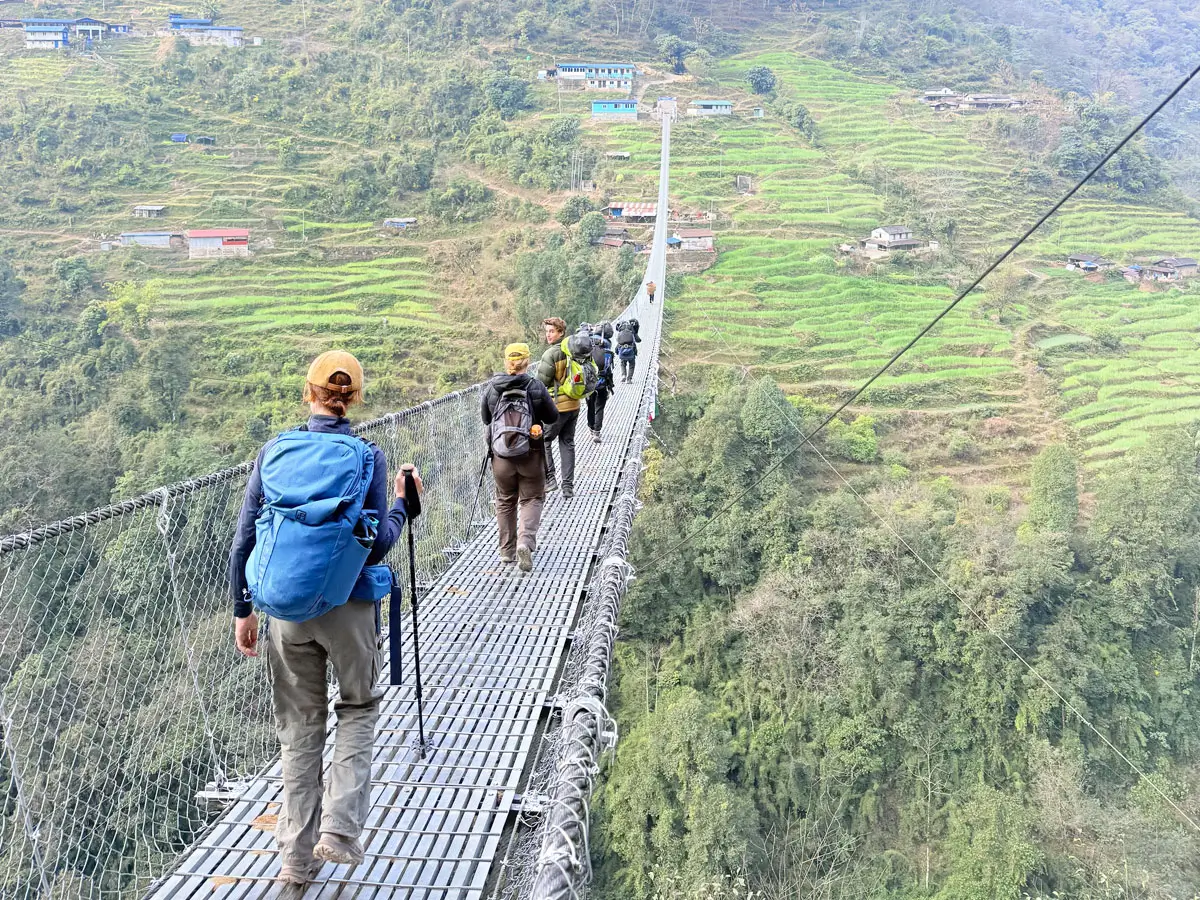
Bridge to crosss on ABC Trail!
Expert Tips for Annapurna Base Camp Trek in December - Practical Winter Trekking Tips
The Annapurna Base Camp Trek in December is a rewarding winter trekking experience in Nepal, and proper preparation is crucial to ensure a successful journey. While the trails are generally less crowded and the mountain views are exceptional, winter conditions require trekkers to pay close attention to clothing, hydration, pacing, and weather awareness.
These expert tips will help you make the most of your December trek while staying comfortable and prepared throughout the Annapurna region.
Start Trekking Early Every Day
December brings shorter daylight hours compared to autumn, so starting early allows you to:
Enjoy the clearest mountain views
Avoid trekking after sunset
Reach the teahouses comfortably
Take advantage of warmer afternoon conditions
Most experienced guides recommend beginning daily walks shortly after breakfast, and early starts become especially important on higher-elevation trekking days.
Dress in Layers Instead of Wearing Heavy Clothing
One of the most common mistakes winter trekkers make is wearing excessively heavy clothing throughout the day. December temperatures change considerably between:
Cold mornings
Sunny afternoons
Freezing evenings
The best approach is layering. A proper layering system lets you adjust your clothing to changing weather and activity levels, and the recommended Layering System:
Moisture-wicking base layer
Fleece or insulated mid-layer
Down jacket for cold conditions
Waterproof and windproof outer shell
This combination provides flexibility and comfort throughout the trek.
Cold weather often reduces the feeling of thirst, but dehydration remains a common issue during winter trekking, and proper hydration helps:
Improve energy levels
Reduce fatigue
Support acclimatization
Maintain overall health
Trekkers should drink water regularly throughout the day, even when temperatures feel cold.
Walk Slowly at Higher Elevations
As you approach Machhapuchhre Base Camp and Annapurna Base Camp, the altitude becomes increasingly important, and many trekkers make the mistake of rushing during the final ascent. A low and steady pace helps:
Conserve energy
Improve breathing efficiency
Reduce altitude-related discomfort
Make trekking more enjoyable
Remember that reaching Annapurna Base Camp is not a race. The mountains will still be there when you arrive.
Protect Yourself from Strong Mountain Sunlight
Many trekkers underestimate winter sunlight in the Himalayas. Despite cold temperatures, UV exposure remains strong, especially when sunlight reflects from snow-covered surfaces. Please, carry:
Sunglasses
Sunscreen
Lip balm
Sun hat
Proper sun protection prevents discomfort during long trekking days.
Keep Electronic warm
Cold temperatures can drain batteries surprisingly quickly. Protect important electronics such as:
Phones
Cameras
Power banks
GPS devices
Keeping batteries inside sleeping bags or insulated pockets at night helps preserve battery life. This is especially important for photographers planning sunrise shoots at Annapurna Base Camp.
Carry Trekking Poles for Stability
Trekking poles become particularly useful during December. To help with:
Balance on snowy trails
Stability on steep descents
Reducing knee strain
Improving confidence on icy sections
They are especially valuable around:
Deurali
Machhapuchhre Base Camp
Annapurna Base Camp
Where winter conditions may affect trail surfaces.
Prepare Mentally for Cold Mornings
The Coldest part of the day is often not the trek itself but the early morning before sunrise.
Freezing temperatures
Cold water
Frosty surroundings
Chilly starts
Being mentally prepared for those conditions makes the experience much easier and more enjoyable. Once the sun rises, temperatures usually become much more comfortable.
Respect Mountain Weather Conditions
Although December generally offers stable weather, conditions in the Himalayas can change unexpectedly, so you should:
Listen to guides
Monitor weather forecasts
Remain flexible with plans
Avoid taking unnecessary risks
Mountain safety always takes priority over schedules.
Take Time to Enjoy the Annapurna Sanctuary
Many trekkers focus entirely on reaching Annapurna Base Camp and overlook the incredible scenery along the way. Take time to appreciate:
Traditional villages
Rhododendron forests
Glacier valleys
Snow-covered peaks
Local culture
The journey itself is what makes the Annapurna Base Camp Trek one of the most memorable adventures in Nepal.
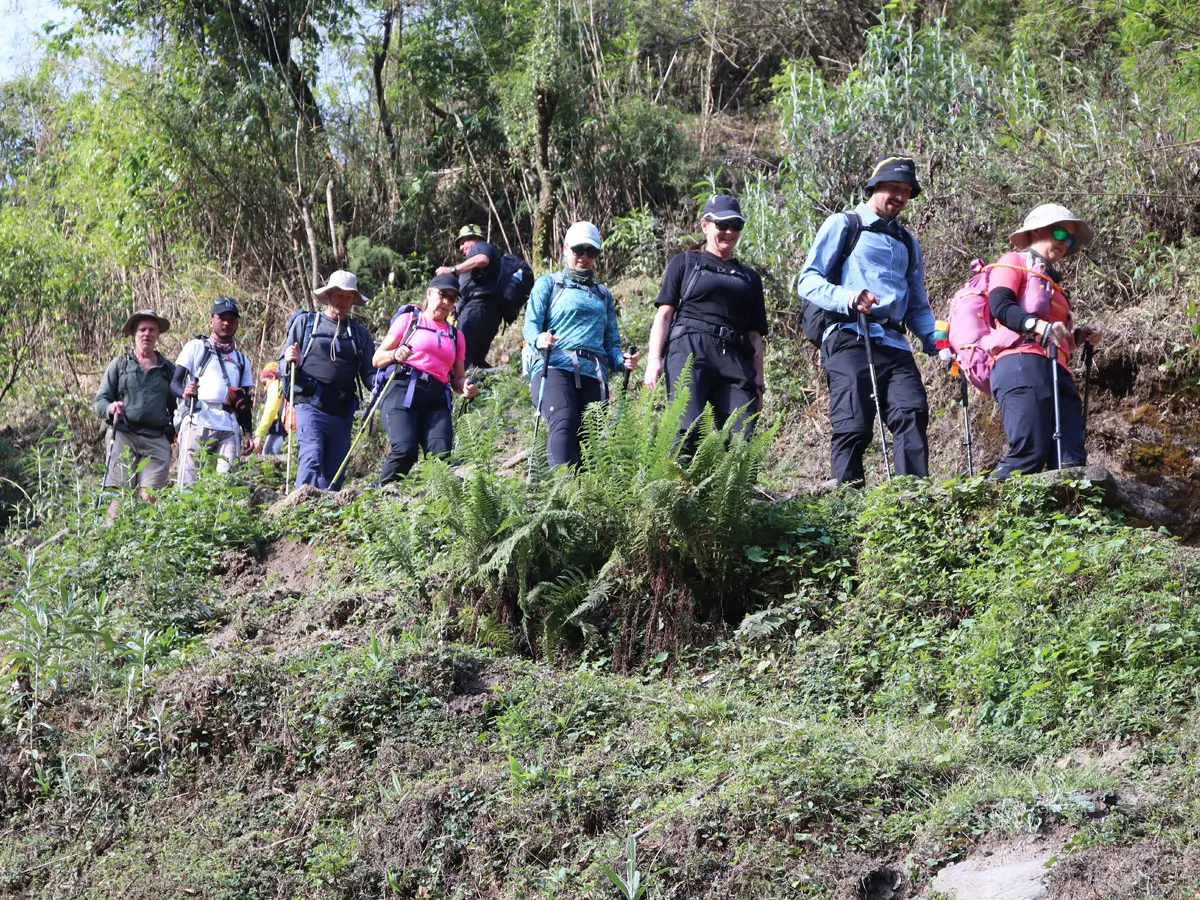
Walking towards ABC!
Packing Tips for Annapurna Base Camp Trek in December - Winter Packing Guide
Packing correctly for the Annapurna Base Camp Trek in December can make a huge difference to your overall trekking experience. December brings cold mornings, freezing temperatures at higher elevations, possible snowfall near Annapurna Base Camp, and significant temperature variations between day and night.
Unlike autumn trekking, winter conditions require additional focus on warmth, layering, and proper equipment. However, this does not mean carrying an unnecessarily heavy backpack. The key is packing smart, not packing more.
A well-prepared backpack helps trekkers stay comfortable, safe, and confident throughout the journey to Annapurna Base Camp.
Pack a Proper Layering System
December weather can change dramatically throughout the day. Trekkers often experience:
Freezing mornings
Sunny afternoons
Cold evenings
Sub-zero temperatures at higher elevations
A proper layering system helps regulate body temperature efficiently.
Base Layer: Your base layer should help manage moisture and keep your body dry, and the recommended items are:
Thermal tops
Thermal leggings
Moisture-wicking innerwear
Avoid cotton clothing as it absorbs moisture and dries slowly.
Mid Layer: The mid layer provides insulation and the recommended items:
Fleece jacket
Lightweight insulated jacket
Warm trekking shirt
This layer helps retain body heat during cold conditions.
Outer Layer: Your outer layer protects against wind and cold temperatures, and recommended items:
Wown jacket
Waterproof jacket
Windproof shell
A quality down jacket becomes especially important above Machhapuchhre Base Camp.
Warm Clothing for Annapurna Base Camp
Temperatures at Annapurna Base Camp can fall below freezing during December, and essential warm clothing includes:
Thermal base layers
Fleece jacket
Down jacket
Warm trekking pants
Insulated gloves
Wool hat or beanie
Neck gaiter or buff
Warm socks
Proper winter clothing is one of the most important investments for this trek.
Good footwear becomes even more important during winter trekking, and your trekking boots should be:
Waterproof
Comfortable
Well broken-in
Suitable for uneven mountain trails
Avoid using brand-new boots on the trek. Blisters and foot discomfort can quickly affect the overall experience.
Additional Footwear
Useful extras include:
Lightweight sandals
Teahouse slippers
Camp shoes
These provide comfort in the evenings at mountain lodges.
Carry High-Quality Gloves and Head Protection
A significant amount of body heat is lost through the hands and head, and the essential items include:
Insulated gloves
Wool hat
Sun hat
Neck warmer
These become particularly important during:
Early morning departures
Annapurna Base Camp sunrise viewing
Cold evening conditions
Sleeping Gear for Cold Nights
Although teahouses provide blankets, additional sleeping insulation is strongly recommended during December. The recommended sleeping gear:
Four-season sleeping bag
Sleeping bag liner
A warm sleeping setup greatly improves comfort and sleep quality at higher elevations.
Trekking Equipment You Should Not Forget
Important trekking equipment includes:
Trekking poles
Headlamp
Reusable water bottles
Sunglasses
Power bank
Charging cables
Trekking poles are especially useful when snow or ice is on the trail.
Protect Yourself from Winter Sun Exposure
Many trekkers focus on cold weather and forget that UV exposure remains strong in the Himalayas, and the important items include:
Sunscreen SPF 30+
UV-protection sunglasses
Lip balm
Moisturizer
Snow reflection can increase sun exposure at higher elevations.
Personal Hygiene and First Aid Essentials
A small personal health kit is highly recommended, and useful items include:
Personal medications
Pain relievers
Blister treatment
Hand sanitizer
Wet wipes
Tissues
Basic first-aid supplies
These items help address minor issues before they become major problems.
Camera and Electronics for Winter Photography
December offers some of the best photography conditions in the Annapurna region, and the recommended electronics include:
Camera
Spare batteries
Power bank
Charging cables
Phone protection pouch
Cold temperatures drain batteries much faster than at room temperature. Keeping electronics warm overnight helps preserve battery life.
Avoid Overpacking
One of the biggest mistakes trekkers make is carrying too much gear. Please, remember:
Teahouses provide accommodation
Food is available throughout the route
Excessive weight increases fatigue
Focus on:
Essential winter clothing
Practical trekking gear
Necessary personal items
A lighter backpack makes the trek significantly more enjoyable.
Recommended Packing Summary for Annapurna Base Camp Trek in December
Clothing
Thermal base layers
Fleece jacket
Down jacket
Waterproof outer shell
Trekking pants
Warm socks
Gloves
Wool hat
Trekking Gear
Trekking boots
Trekking poles
Headlamp
Water bottle
Sunglasses
Personal Essentials
Sunscreen
Lip balm
Personal medication
Power bank
Camera
Sleeping Gear
Warm sleeping bag
Sleeping bag liner
With proper winter gear, smart layering, and a lightweight backpack, trekkers can comfortably enjoy the Annapurna Base Camp Trek in December while fully appreciating the incredible beauty of the Annapurna Sanctuary during the early winter season.
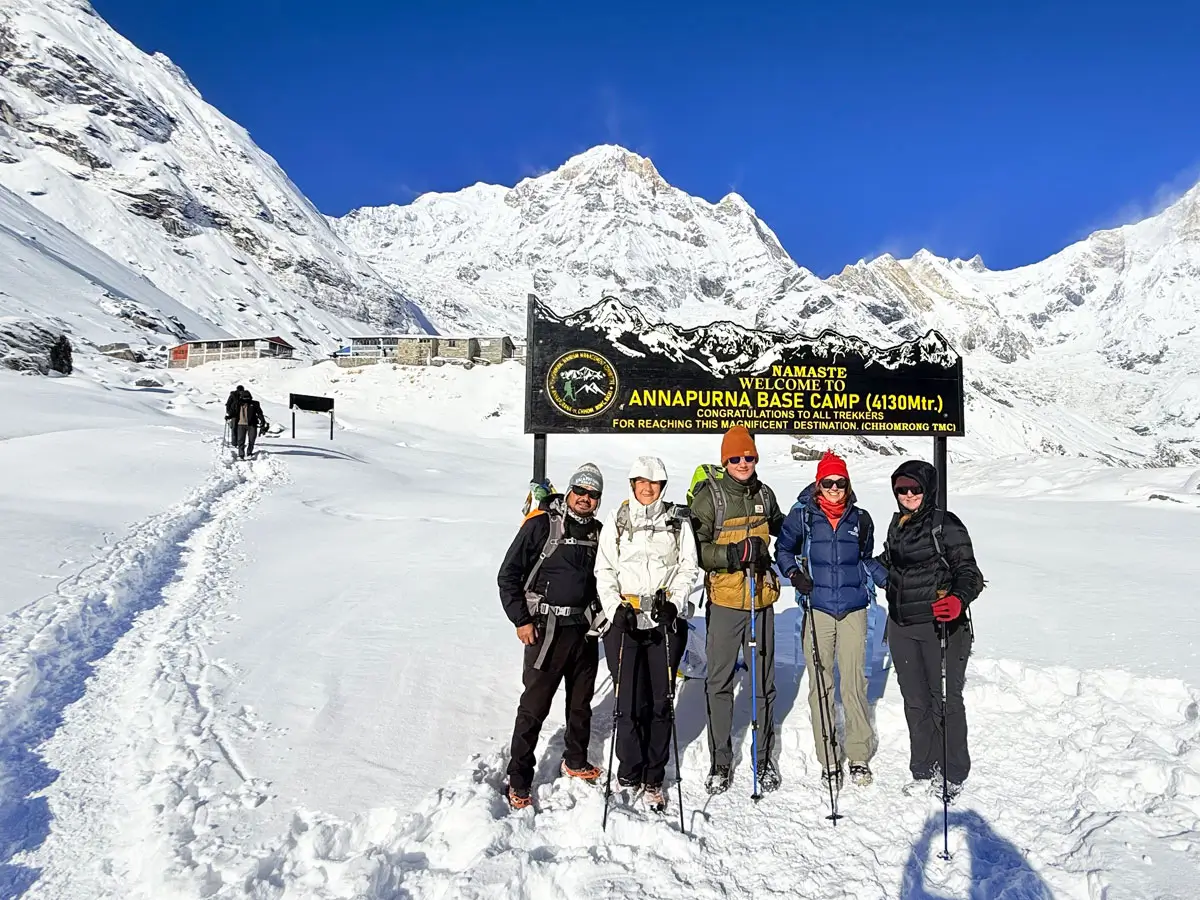
The Annapurna Base Camp!
FAQS – ABC Trek in December
Is December a Good Time for the Annapurna Camp Trek?
Yes, December is considered one of the best winter months for the Annapurna Base Camp Trek. The month offers crystal-clear mountain views, stable weather conditions, fewer crowds, and beautiful snow-covered landscapes. While temperatures are colder than in autumn, many trekkers prefer December for its peaceful trails and spectacular winter scenery.
Can You Trek to Annapurna Base Camp in December?
Absolutely. Annapurna Base Camp remains accessible throughout most of December, and thousands of trekkers complete the trek every year during the early winter season.
With proper winter clothing, suitable trekking gear, and a well-planned itinerary, December trekking is both achievable and highly rewarding.
How Cold Is Annapurna Base Camp in December?
Temperatures vary depending on altitude. At Annapurna Base Camp (4,130m):
Daytime Temperature: 2°C to 10°C
Night Temperature: -8°C to -2°C
Lower villages such as Chhomrong and JhinuDanda remain much warmer and more comfortable.
Does It Snow at Annapurna Base Camp in December?
Yes, snowfall is possible during December, especially above Deurali, Machhapuchhre Base Camp, and Annapurna Base Camp.
Early December: Light snowfall is possible but often limited.
Mid-December: Snow becomes more common at higher elevations.
Late December: Fresh snowfall and winter conditions become increasingly likely.
Snow conditions vary from year to year depending on weather patterns.
Is the Annapurna Base Camp Trek Difficult in December?
The Annapurna Base Camp Trek in December is generally considered moderate to moderately challenging, and the main difficulties include:
High altitude
Cold temperatures
Occasional snowfall
Long trekking days
However, the trek does not require technical climbing skills and remains achievable for most trekkers with reasonable fitness and proper preparation.
Is the Annapurna Base Camp Trek Suitable for Beginners in December?
Yes, beginners can complete the Annapurna Base Camp Trek in December. However, beginners should:
Prepare physically before the trek
Understand basic altitude awareness
Carry proper winter clothing
Follow a suitable itinerary
Many first-time Himalayan trekkers complete Annapurna Base Camp each winter.
What is the weather like during the Annapurna Base Camp Trek in December?
December weather is generally:
Dry
Stable
Sunny during the day
Cold during mornings and nights
The month is known for excellent mountain visibility and low rainfall throughout the Annapurna region.
Are Teahouses Open on the Annapurna Base Camp Route in December?
Yes, most teahouses remain open throughout December, and you can expect:
Accommodation facilities
Hot meals and drinks
Basic heating in dining areas
Comfortable overnight stops
Since December is less crowded than autumn, finding accommodation is usually easier.
What Should I Pack for the Annapurna Base Camp Trek in December?
Essential items include:
Down jacket
Thermal layers
Waterproof outer shell
Warm gloves
Wool hat
Trekking boots
Trekking poles
Sleeping bag
Sunglasses
Sunscreen
Proper layering is the key to staying comfortable throughout the trek.
Is Altitude Sickness Common on the Annapurna Base Camp Trek?
Altitude sickness can occur because the trek reaches 4,130 meters, and possible symptoms include:
Headache
Fatigue
Dizziness
Loss of appetite
The risk can be reduced by:
Ascending gradually
Staying hydrated
Maintaining a slow pace
Following a proper itinerary
Most trekkers complete the trek without serious altitude-related problems.
Which Is Better: Annapurna Base Camp Trek in November or December?
November is best for:
Warmer temperatures
peak trekking season
Larger trekking atmosphere
December is best for:
Fewer crowds
Snow-covered scenery
Peaceful trails
Winter photography
Crystal-clear mountain views
Both months are excellent, but December offers a more unique winter trekking experience.
What Mountains Can Be Seen from Annapurna Base Camp?
Trekkers can enjoy spectacular views of:
Annapurna I (8,091m)
Annapurna South
Machhapuchhre (Fishtail)
Hiunchuli
Gangapurna
Annapurna III
Tent Peak
December's clear winter air often provides some of the sharpest mountain views of the entire year.
Why Do Many Trekkers Choose the Annapurna Base Camp Trek in December?
Trekkers choose December because it offers:
Crystal-clear visibility
Peaceful trekking trails
Spectacular winter scenery
Snow-covered mountain landscapes
Authentic Himalayan atmosphere
Stable weather conditions
For many travelers, December provides the perfect balance between adventure, solitude, and breathtaking Himalayan beauty.
Conclusion – Is December a Good Time for the Annapurna Base Camp Trek?
The Annapurna Base Camp Trek in December is far more than just a winter trek, and it is an opportunity to experience one of Nepal’s most iconic Himalayan journeys in a quieter, more peaceful, and incredibly scenic season. While many trekkers focus on the popular autumn months, December offers a unique combination of crystal-clear mountain views, snow-covered landscapes, stable weather, and fewer crowds, making the experience even more rewarding.
You will trek through traditional Gurung villages, dense rhododendron forests, deep river valleys, and high alpine terrain. The changing winter scenery creates a sense of adventure that feels both authentic and unforgettable.
One of the most magical moments of the ABC journey comes upon reaching Annapurna Base Camp (4,130m) and standing in the heart of the Annapurna Sanctuary, surrounded by the majestic walls of Annapurna I, Annapurna South, Machhapuchhre, Hiunchuli, and Gangapurna. This is an experience that few places on Earth can match.
December is particularly ideal for trekkers who are looking for:
Crystal-clear Himalayan views
Snow-covered mountain landscapes
Fewer crowds on the trail
Peaceful trekking conditions
Authentic village experiences
Exceptional photography opportunities
A unique winter adventure in Nepal
With proper preparation, suitable winter gear, and a well-planned itinerary, the Annapurna Base Camp Trek in December remains accessible to both experienced trekkers and motivated beginners.
Langtang Valley Trek in November offers one of the clearest and most peaceful trekking experiences in Nepal. It is one of the best times to experience a short yet spectacular Himalayan journey in the [...]