Poon Hill Trek in September - Fresh Green Landscapes, Peaceful Trails, and the Beginning of Autumn Trekking
Poon Hill Trek in September offers one of the most refreshing short trekking experiences in Nepal. As the monsoon season gradually fades, the Annapurna region becomes vibrant and alive with green forests, flowing waterfalls, mist-covered hills, and increasingly clear mountain views.
September marks the transition from monsoon to autumn, making the Ghorepani Poon Hill Trek especially attractive for trekkers who enjoy fresh landscapes, quieter trails, and dramatic Himalayan scenery. Unlike the busier October season, September offers a calmer trekking atmosphere and pleasant temperatures, with improving weather conditions.
If you are a beginner, a family, a photographer, or a traveler with limited time, the Poon Hill Trek in September offers a rewarding Himalayan journey that combines natural beauty, cultural richness, and manageable trekking difficulty.
Poon Hill Trek in September - The Fresh Start of the Autumn Trekking Season
Ghorepani Trek in September is one of the best ways to experience Nepal’s post-monsoon beauty without committing to a long and physically demanding expedition. Located in the Annapurna region, this short trek to Poon Hill becomes vibrant during September as forests regain their lush greenery and mountain villages come alive after the rainy season.
One of the biggest attractions of the September Poon Hill trek is the dramatic scenery. The hills surrounding Ghorepani and Tadapani remain covered in dense green vegetation, rivers and waterfalls flow strongly, and clouds create constantly changing Himalayan landscapes throughout the day.
Early September may still carry traces of monsoon conditions, especially in lower elevations where occasional rain showers and misty mornings are possible. However, the weather improves steadily as the month progresses, and by mid to late September, you enjoy clearer skies, more stable weather, and increasingly sharp mountain views.
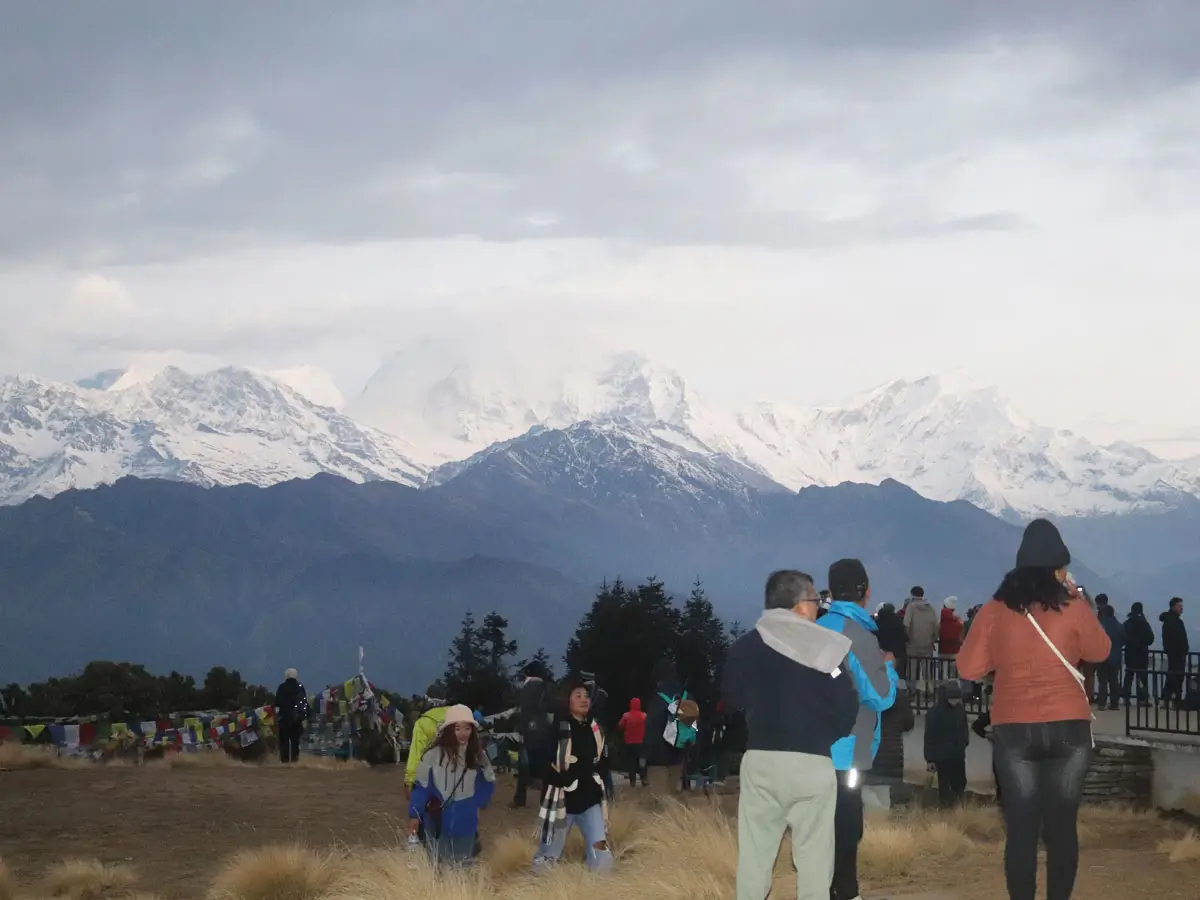
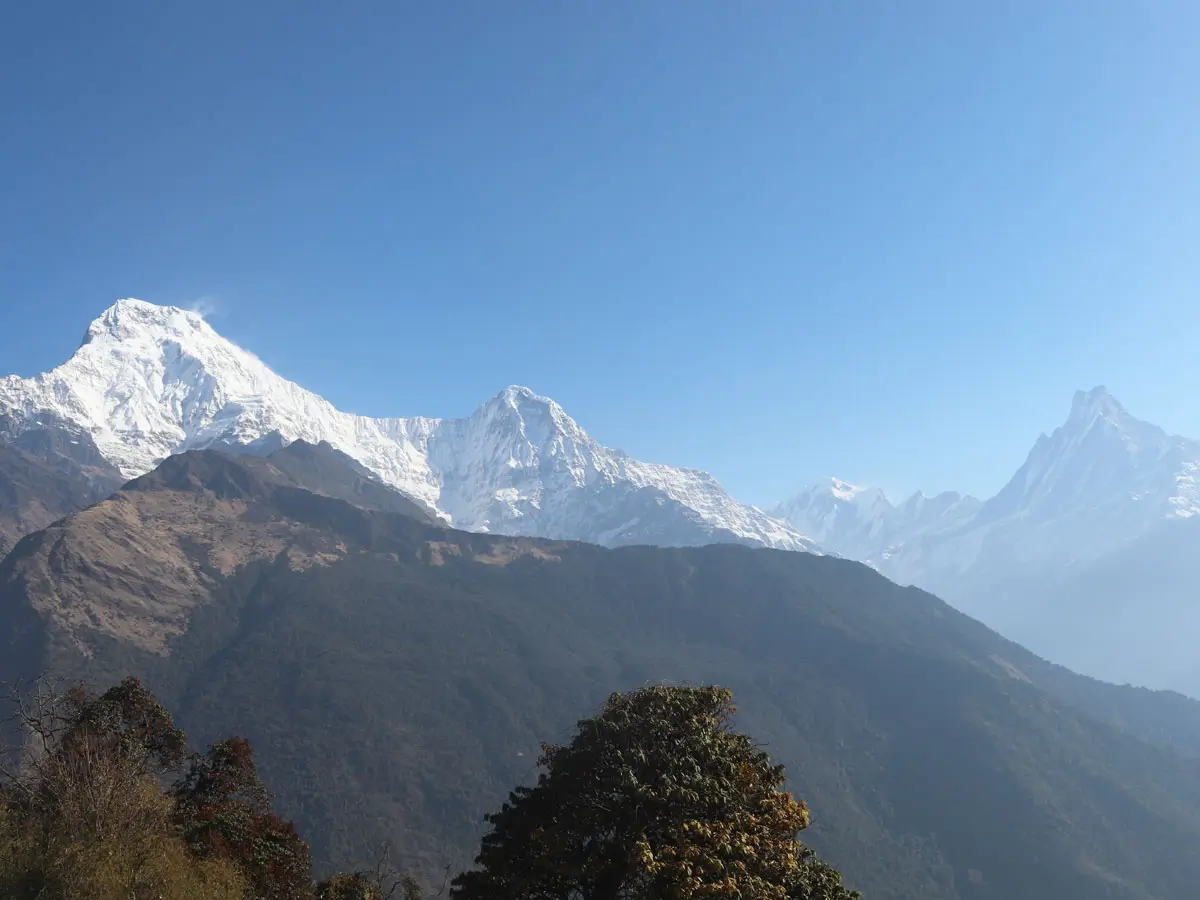
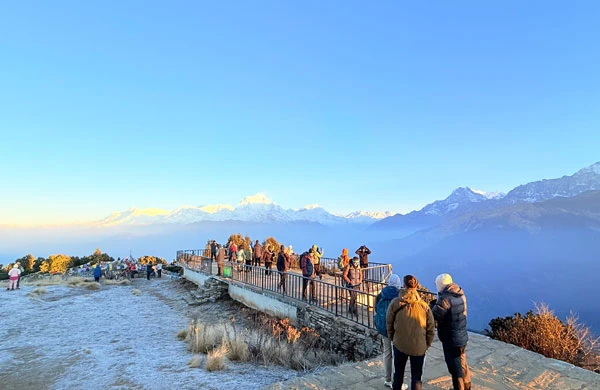
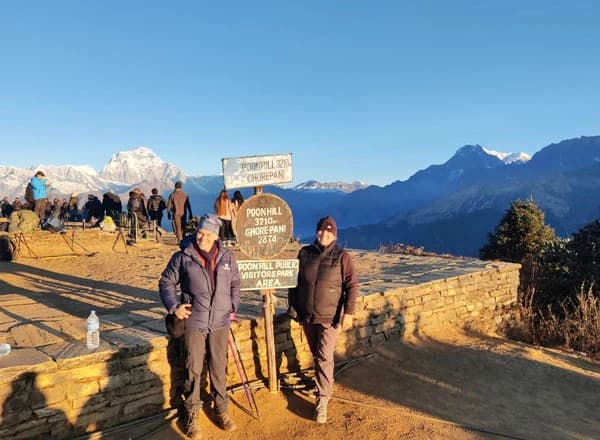
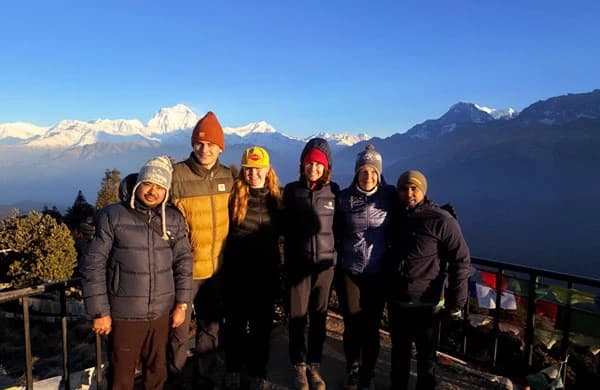
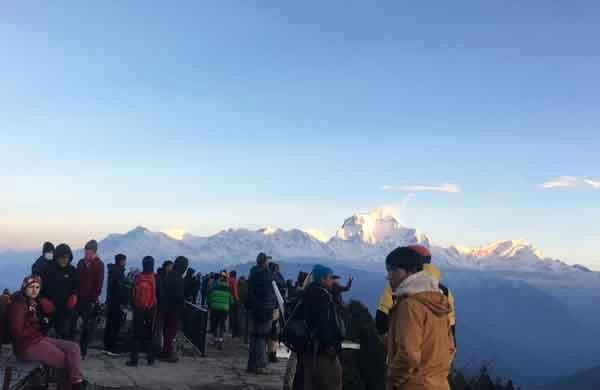
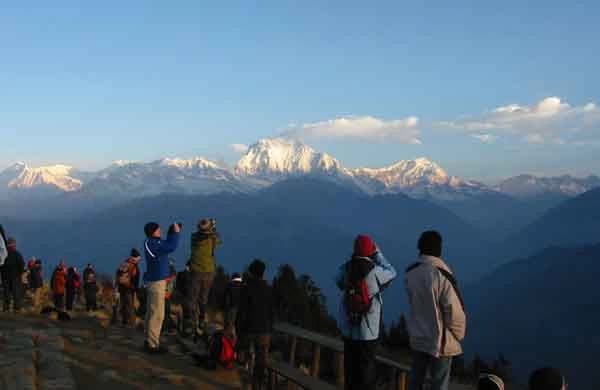
The famous sunrise viewpoint at Poon Hill (3,210 m) becomes one of the most rewarding experiences, and on clear mornings, you can witness panoramic views of:
Annapurna South
Dhaulagiri
Machhapuchhre (Fishtail)
Hiunchuli
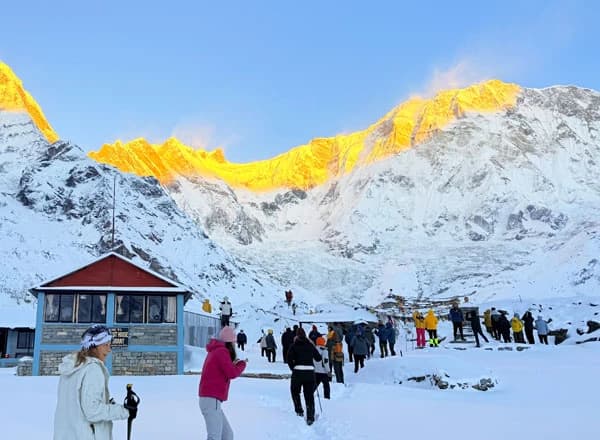
Glowing under the golden morning light.
Another major advantage of the Ghorepani trek in September is the peaceful atmosphere. Since many travelers wait until October, trails and teahouses remain relatively quiet, allowing trekkers to enjoy a more relaxed, immersive experience while interacting with local Gurung and Magar communities along the route.
The combination of lush scenery, improving mountain visibility, comfortable temperatures, and rich cultural villages makes the Ghorepani Poon Hill Trek in September one of the most visually rewarding short treks in Nepal.
Experience the Annapurna Region at Its Greenest and Freshest: September transforms forests and hills into vibrant landscapes filled with fresh post-monsoon beauty.
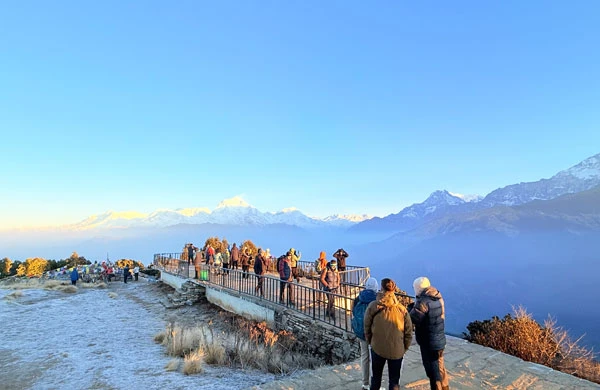
Watch the Golden Sunrise Light Spread Across the Annapurna Region from Poon Hill (3,210 m): Early morning views from Poon Hill create one of the most iconic Himalayan sunrise experiences of the Annapurna and Dhaulagiri ranges in Nepal.
Enjoy Powerful Waterfalls and Flowing Rivers Along the Trail: Monsoon-fed streams and waterfalls remain active and visually dramatic throughout September.
Enjoy Cool, Fresh Air After the Monsoon Season: The post-rain atmosphere feels clean, refreshing, and comfortable for trekking.
Capture Dramatic Photography with Misty Hills and Changing Clouds: September offers unique lighting and cloud formations rarely seen during dry-season trekking.
Explore Traditional Gurung and Magar Villages: Ghorepani and Ghandruk offer authentic Himalayan culture and warm hospitality.
Enjoy Peaceful Trails before the Busy October Season Begins: September trekking offers a quieter, more relaxing atmosphere than the peak autumn months.
Experience Gradually Improving Autumn Weather Conditions: Rainfall decreases steadily throughout the month, especially from mid-September onward.
Walk through Beautiful Forests of Rhododendron, oak, and Bamboo: The trail passes through dense forests rich in natural beauty and wildlife.
Enjoy Comfortable Trekking without Extreme Altitude: The Poon Hill Trek is beginner-friendly and suitable for a wide range of trekkers.
Experience Dynamic Himalayan Scenery Throughout the Day: Cloud movement, sunlight, and mist create constantly changing mountain landscapes.
Walking towards Poon Hill!
Best Ghorepani - Poon Hill Treks for September
We have many trekking Itineraries that include a visit to Poon Hill View Point, and some of the most popular Ghorepani-Poon Hill Trek itineraries for September are:
Poon Hill Trek – 3 Days: Poon Hill Trek is a short 3-day trek that starts and ends in Pokhara and is suitable for those who want a short trek in the Annapurna region and are already in Pokhara, or who want to start and end the Trek in Pokhara.
Ghorepani-Ghandruk Trek - 4 Days: This is a 4-day Ghorepani – Poon Hill Trek that starts and ends in Pokhara, includes treks to Tadapani and Ghandruk, and is suitable for those already in Pokhara looking for a private or small-group trek.
Ghorepani Poon Hill Trek - 10 Days: The 10-day Ghorepani Poon Hill Trek starts and ends in Kathmandu and includes a tour of Kathmandu, a tour of Pokhara, and 4 days of trekking to Poon Hill, suitable for those looking for a packaged tour from arrival to departure.
Annapurna Panorama Trek- 5 Days: The 5-day Annapurna Panorama Trek starts and ends in Pokhara, and this itinerary includes a trek to Poon Hill and also Jhinu Hot Spring.
Khopra Ridge with Poon Hill- 8 Days: The 8-day Khopra Trek with Poon Hill starts and ends in Pokhara and includes a trek to Khopra Ridge (Khayer Lake) and Poon Hill.
Poon Hill – ABC and Mardi Himal – 17 Days: This 17-Day Poon Hill, ABC, and Mardi Himal Trek is suitable for trekkers who want to spend many days in the Himalaya and is for older trekkers, as it is a lower-altitude trek.
ABC Via Poon Hill Trek- 14 Days: The 14-Day itinerary starts and ends in Kathmandu and also includes your arrival and departure days to and from Nepal, plus a day tour in Kathmandu. This Trek is suitable for those looking for a small-group packaged trek.
Ghorepani - Poon Hill Trek Weather and Temperature in September
Poon Hill Trek in September marks the transition from monsoon to autumn and offers lush landscapes, refreshing temperatures, occasional rain, and steadily improving mountain visibility. As the mountain progresses, weather conditions become more stable, making September one of the most visually rewarding times to trek in the Annapurna region.
September still carries some monsoon influence in the early weeks. However, this remaining moisture also keeps forests, hillsides, and valleys exceptionally green and vibrant. By mid-September, skies become clearer, rainfall decreases significantly, and trekking conditions improve rapidly along the Ghorepani-Poon Hill route.
Morning Weather Conditions
Mornings during the Poon Hill Trek in September are cool, fresh, and peaceful. Early mornings often provide the best opportunity for mountain views before clouds build later in the day, and the typical morning conditions include:
Cool and refreshing temperatures
Mist rising through forest valleys
Partially clear mountain views
Calm trekking conditions
The sunrise at Poon Hill becomes especially beautiful during clear September mornings.
Daytime Weather Conditions
The daytime trekking temperatures remain comfortable throughout most of the route, and trekkers usually experience:
Mild to warm daytime temperatures
Humid conditions in lower elevations in early September
Comfortable walking weather at higher elevations
Occasional cloud movement during the afternoons
Unlike hotter lowland regions, the Poon Hill trail remains relatively pleasant to walk because of its forested cover and moderate elevation.
The nighttime temperatures become cooler at higher elevations such as Ghorepani and Poon Hill, but conditions remain manageable compared to high-altitude Himalayan treks, and the typical nighttime conditions include:
Cool mountain evenings
Refreshing nighttime air
Occasional fog or cloud movement
Comfortable sleeping conditions in teahouses
Temperature Range by Elevation in September
Temperatures vary depending on elevation throughout the trek.
Early September: dramatic mist and partial mountain views
Mid - September: improving panoramic visibility
Late September: clear sunrise views from Poon Hill become more frequent
On clear mornings, trekkers may see:
Annapurna South
Dhaulagiri
Machhapuchhre (Fishtail)
Hiunchuli
Nilgiri peaks
Why September Weather Still Works Well for Poon Hill Trek
Despite occasional early-month rain, September offers several major trekking advantages:
Lush post-monsoon landscapes
Comfortable temperatures
Peaceful trekking environment
Refreshing mountain atmosphere
Improving weather conditions throughout the month
If you enjoy fresh scenery and quieter trails, the Poon Hill Trek in September provides a beautiful transition into Nepal’s famous autumn trekking season.
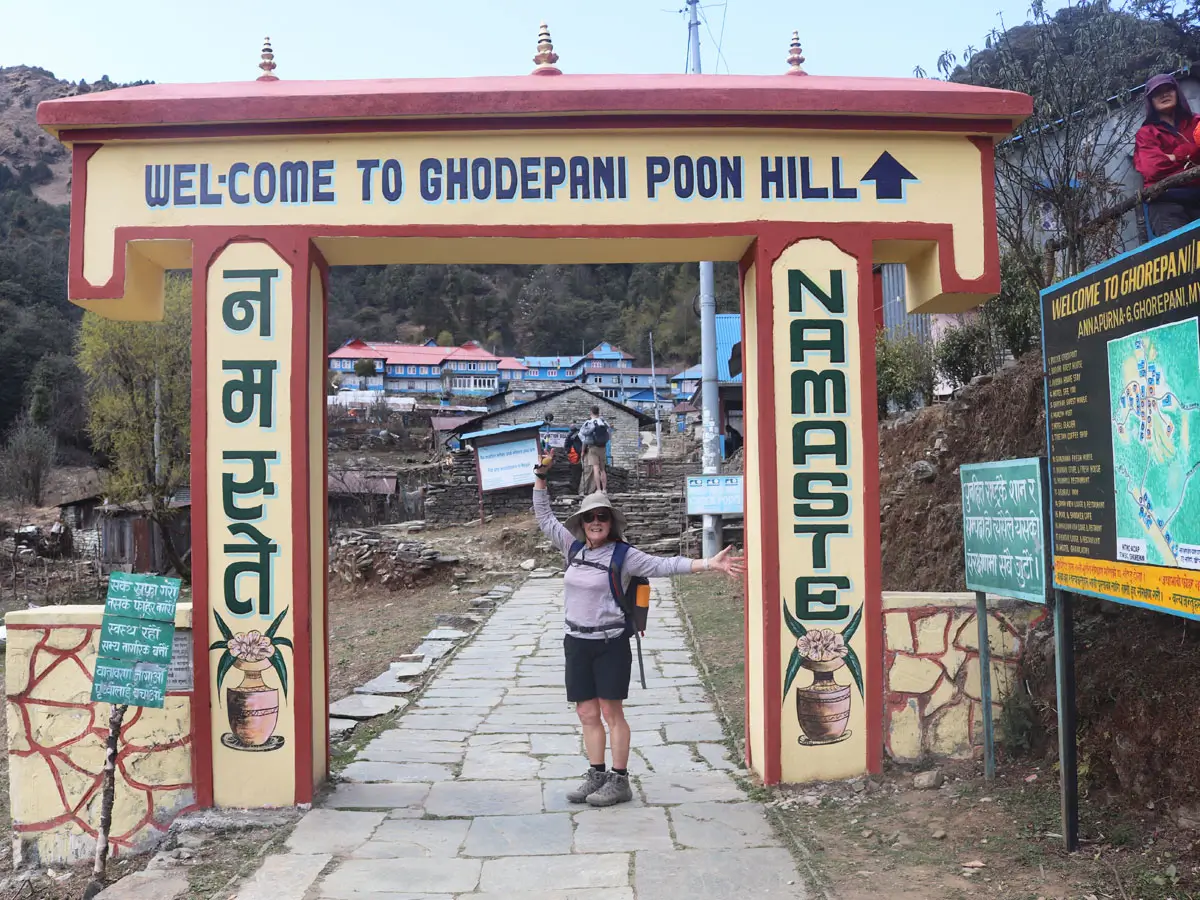
Welcome to Ghorepani!
Best Weeks to Trek Poon Hill in September - Choose the Ideal Time on the Post - Monsoon Transition
The Ghorepani Trekking in September changes noticeably throughout the month as Nepal gradually transitions from monsoon to autumn. Weather conditions, mountain visibility, trail conditions, and trekking atmosphere all improve steadily from early September toward late September.
Understanding these differences helps you to choose the best timing based on their priorities, whether they prefer lush scenery, peaceful trails, or clearer mountain views.
Early September (1st Week) - Greenest Landscapes and Dramatic Atmosphere
Early September still carries some monsoon influence, especially in lower forest areas, and the typical early September features:
Extremely lush green landscapes
Active waterfalls and rivers
Misty hills and dramatic cloud formation
Fewer trekkers on the trail
Occasional rain showers and wet trails
Early September is the best time for trekkers who enjoy atmospheric scenery and peaceful trekking environments.
Mid - September (2nd Week) - Balanced Conditions and Improving Visibility
Mid-September marks a noticeable improvement in trekking conditions across the Annapurna region, and you can expect:
Decreasing rainfall
Clearer mountain views
Drier forest trails
Comfortable trekking temperatures
Still relatively peaceful trekking routes
Mid-September offers one of the best balances between greenery and stable weather.
Late September (3rd–4th Week) - Beginning of Peak Autumn Conditions
Late September begins feeling much closer to Nepal’s classic autumn trekking season, and the typical late September conditions include:
Clearer sunrise views from Poon Hill
Stable weather and reduced rain
Dry and comfortable trekking trails
Cool and refreshing mountain air
An increasing number of trekkers before the October rush
Late September often provides the best overall trekking conditions of the month.
Overall Best Time in September
Every phase of September offers something unique, but most trekkers prefer.
Quick Decision Guide
Early September- Best for lush landscapes and dramatic cloud scenery
Mid-September- Best balance of greenery and stable weather
Late September- Best for visibility and autumn trekking conditions
Culture and Village Life During the Poon Hill Trek in September
Experience Traditional Himalayan Villages in a fresh Post-Monsoon Season.
Poon Hill Trek in September is not only a scenic Himalayan journey but also a cultural experience through some of the most beautiful traditional villages in the Annapurna region. As the monsoon season fades, mountain communities come to life with farming, local routines, and daily village life, surrounded by lush green hills.
The quieter trekking atmosphere in September allows travelers to experience local culture in a more peaceful, personal way than in the busy autumn months.
Explore Traditional Gurung and Magar Villages
The Poon Hill route passes through villages inhabited mainly by the Gurung and Magar communities, two of Nepal’s most well-known mountain cultures, and villages such as:
Ulleri
Ghorepani
Tadapani
Ghandruk
Offer you opportunities to experience:
Traditional stone houses
Terraced farming landscapes
Local mountain lifestyles
Warm Himalayan hospitality
These villages create the cultural heart of the Poon Hill Trek.
Active Farming Season and Fresh Village Atmosphere
September is an important agricultural period in the Annapurna hills. After the monsoon rains, fields become green and productive, and villagers remain actively involved in farming work, and you will notice:
Rice terraces glowing with greenery
Locals working in hillside farms
Livestock grazing near villages
Fresh vegetables and crops growing around homes
The villages feel energetic and naturally connected to the surrounding landscape.
Relaxed Teahouse Experience Before Peak Crowds
Because September remains quieter than October, teahouses often feel calmer and more welcoming, and you can enjoy:
Peaceful dining areas
Relaxed evenings with mountain views
More personal interaction with lodge owners
A cozy atmosphere during rainy or misty evenings
These small moments become an important part of the trekking experience.
Buddhist Traditions and Mountain Spirituality
You will encounter cultural and spiritual symbols connected to Himalayan Buddhist traditions throughout the trek, and common sights include:
Prayer flags across ridges and villages
Small stupas and shrines
Prayer wheels near pathways
Spiritual decorations around homes and lodges
These elements add cultural depth and a sense of peace to the trek.
Genuine Local Interaction During a Quieter Season
September’s lower trekking traffic often leads to more natural, meaningful local interaction, and you will experience:
Friendly conversations with local families
Warm greetings from the villagers
Opportunities to learn about mountain lifestyles
Authentic hospitality in smaller lodges
The cultural experience often feels more personal than during crowded peak months.
Cozy Mountain Atmosphere During Misty Evenings
One of the unique cultural feelings of the September trekking is the atmosphere created during cloudy or rainy evenings in mountain villages, and you will enjoy:
Warm tea inside teahouses
Fog moving through forests and rooftops
Peaceful mountain silence after rainfall
Relaxing evenings surrounded by nature
These calm moments create emotional connection and lasting trekking memories.
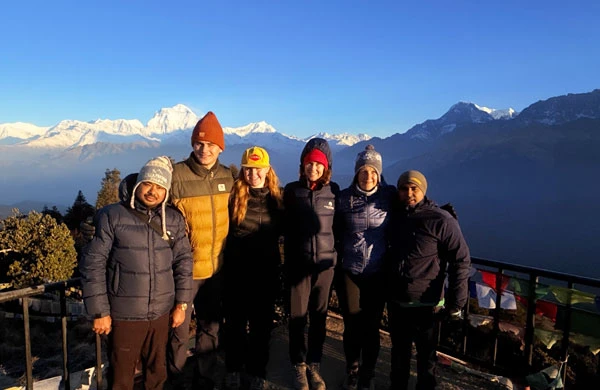
Himalaya view from Poon Hill!
Why Trek to Poon Hill in September - Advantages of Post - Monsoon Trek to Poon Hill
Poon Hill Trek in September offers a unique combination of fresh Himalayan scenery, peaceful trekking conditions, and gradually improving autumn weather. September delivers something more dynamic and visually rich – a trekking experience filled with lush landscapes, dramatic clouds, and vibrant natural beauty.
If you appreciate nature at its most energetic and colorful stage, September can be one of the most rewarding months to explore the Annapurna region.
Lush Green Landscapes Across the Entire Trail
One of the biggest advantages of Ghorepani trekking in September is the extraordinary greenery that covers the hills and forests of the Annapurna region, and you will experience:
Dense rhododendron forests
Moss-covered trails and stone staircases
Green terraced farmlands
Vibrant vegetation after monsoon rains
Spectacular Waterfalls and Fresh Mountain Rivers
Monsoon-fed waterfalls remain strong throughout September and create a dramatic scenery along the trekking route, and you will enjoy:
Cascading waterfalls near forest trails
Powerful rivers flowing through valleys
Refreshing mountain atmosphere
Scenic suspension bridge crossings
These water features add movement and energy to the trekking experience.
Improving Mountain Visibility Throughout September
Mountain visibility steadily improves as September progresses.
Early September: Misty and dramatic landscapes
Mid-September: Clearer skies and partial panoramic views
Late September: Stable visibility and autumn-like conditions
You will enjoy views of:
Annapurna South
Machhapuchhre (Fishtail)
Dhaulagiri
Hiunchuli
Late September often provides surprisingly beautiful sunrise panoramas from Poon Hill.
Unique Photography Opportunities Not Seen in Peak Season
September offers some of the most dramatic photography conditions in the Annapurna Ghorepani Trail, and you can capture:
Clouds wrapping around mountain peaks
Golden sunlight breaking through the mist
Lush green hills under deep skies
Colorful village landscapes after rain
Peaceful Trails and Relaxed Teahouse Atmosphere
Compared to October and November, September remains much quieter, and you can benefit from:
Fewer people on the trail
Calmer sunrise viewpoints
Easier accommodation availability
Relaxed teahouse environments
This quieter atmosphere allows for a more personal connection with nature and local culture.
Rich Cultural Experience in Traditional Mountain Villages
Poon Hill route passes through traditional Gurung and Magar settlements where local life remains active during September, and you can experience:
Traditional stone villages
Terraced farming landscapes
Warm local hospitality
Authentic mountain lifestyles
The cultural side of the trek feels especially genuine during quieter trekking periods.
Comfortable Trekking Temperatures Throughout the Route
The moderate altitude of the Poon Hill Trek keeps temperatures comfortable during September, and the typical conditions include:
Warm daytime trekking weather
Cool and refreshing mornings
Mild nighttime temperatures compared to higher-altitude treks
This makes the trek suitable for beginners and casual trekkers.
Beginning of Nepal’s Autumn Trekking Season
September marks the start of Nepal’s famous autumn trekking season. By mid to late September:
Rainfall decreases significantly
Skies become clearer
Trails begin drying
Trekking conditions improve rapidly
Trekkers can enjoy many autumn benefits before the peak-season crowds arrive.
Cons of Ghorepani - Poon Hill Trek in September - Realistic Post - Monsoon Considerations
Ghorepani - Ghandruk in September offers lush landscapes and peaceful trekking conditions; however, the month still carries some lingering monsoon influence, especially during the early weeks. These conditions are generally manageable and improve steadily throughout the month, particularly from mid-September onward.
Understanding these small seasonal challenges helps trekkers to prepare properly and enjoy a smoother trekking experience.
Occasional Rainfall in Early September
Early September may still see short rain showers, especially in the afternoons and evenings, and trekkers may encounter:
Light rain in the lower forest areas
Temporary cloud buildup
Damp trekking sections after rainfall
Rainfall usually decreases significantly as the month progresses, and by mid to late September, trekking conditions become much more stable.
Slippery Stone Steps and Wet Forest Trails
The Ghorepani route includes many stone staircases and forest sections that can remain damp after monsoon rains, and you may experience:
Slippery stone paths
Muddy trail sections in shaded forests
Slower walking pace during wet conditions
Good trekking shoes and trekking poles help manage these sections comfortably.
Mountain Views May Be Blocked by Clouds Sometimes
September weather can still be slightly unpredictable, especially during early mornings or afternoons, and trekkers may occasionally experience:
Mist - covered hills
Partial mountain visibility
Cloud - covered sunrise views from Poon Hill
However, visibility steadily improves toward late September, and many trekkers still enjoy dramatic cloudscapes even on partially cloudy days.
Leeches in Lower Forest Areas (Rare but Possible)
During humid conditions in early September, leeches may occasionally appear in lower forest sections, and they are usually limited to:
Wet jungle trails
Lower elevations near Ulleri and Tikhedhunga
Rainy trekking days
Wearing proper socks and trekking pants usually prevents problems easily, and by mid to late September, leeches become far less common.
Slight Humidity in Lower Elevations
The lower sections of the trek may still feel slightly humid in early September, and you will notice:
Warmer temperatures during uphill climbs
Sweating in forest sections
Humid conditions after rainfall
Higher elevations near Ghorepani and Poon Hill feel cooler and more comfortable.
Balanced September Reality
Despite these minor seasonal challenges, the Poon Hill Trek in September remains highly rewarding for trekkers who enjoy fresh scenery and quieter trails, and for many travelers, the advantages of:
Lush green landscapes
Fewer crowds
Peaceful atmosphere
Dramatic photography opportunities
Far outweigh these manageable post-monsoon conditions.
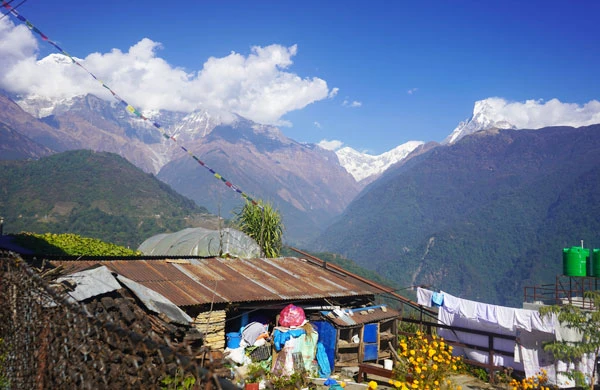
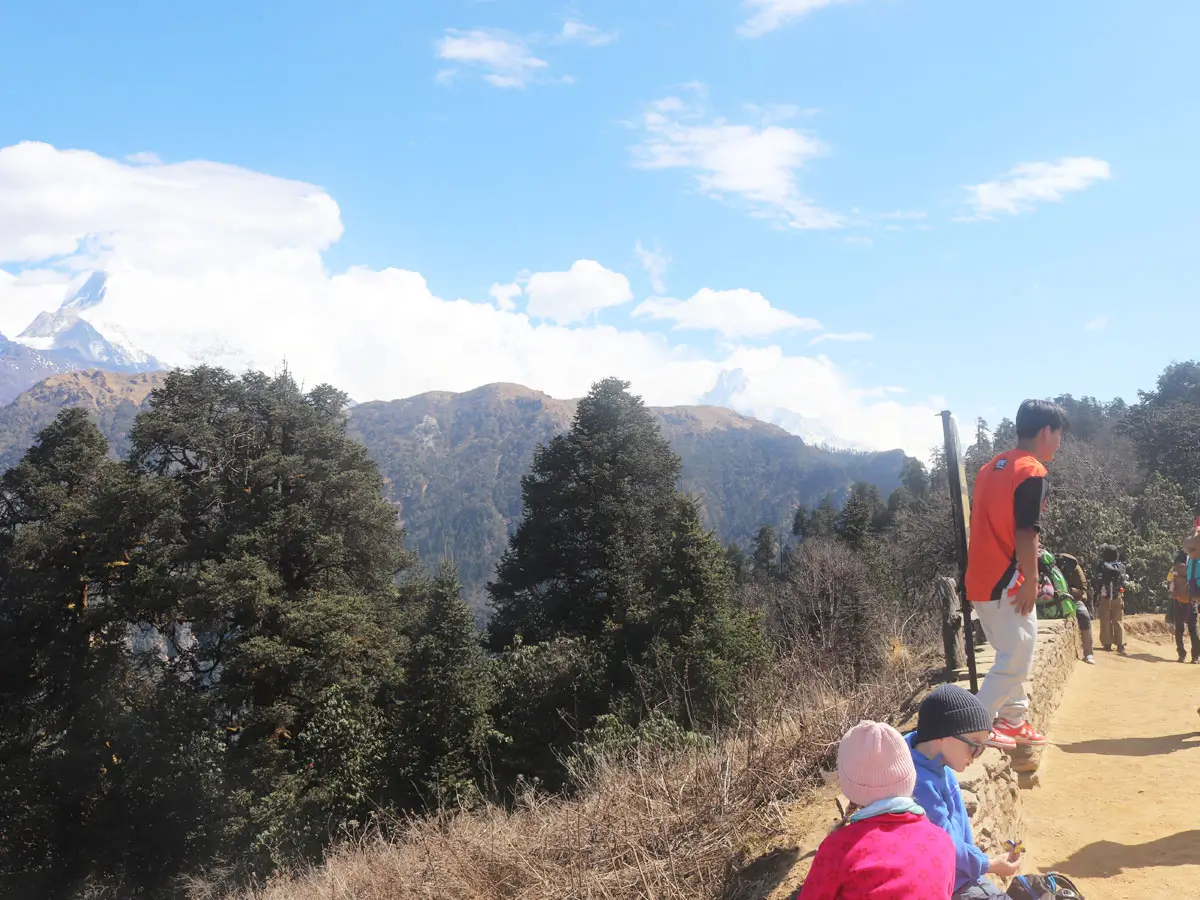
Himalaya view on Poon hill Trek!
Ghorepani - Poon Hill Trek Difficulty in September
Beginner-Friendly Himalayan Trek with Moderate Physical Challenge
Ghorepani Poon Hill Trek in September is considered one of the best beginner-friendly treks in Nepal, as it does not involve technical climbing, dangerous mountain passes, or extreme altitude exposure, making it suitable for first-time trekkers, families, couples, and travelers with limited trekking experience.
However, the trek still includes long uphill sections, stone staircases, and daily walking hours that require reasonable fitness and stamina. September conditions may slightly increase difficulty during the early part of the month due to wet trails and slippery steps, but overall, the trek remains highly manageable for most travelers.
Overall Trek Difficulty - Easy to Moderate
The Ghorepani Poon Hill Trek is generally classified as easy to Moderate Difficulty, and most trekking days involve:
Why Poon Hill Trek is One of the Best Short Treks in Nepal for September
A Perfect Himalayan Experience for Beginners and Limited-Time Travelers
Ghorepani Poon Hill Trek is one of the best short treks in Nepal because it offers a complete Himalayan trekking experience within a manageable and relatively short itinerary. The Poon Hill Trek offers views of mountain scenery, traditional villages, forest trails, and sunrise panoramas without requiring advanced trekking experience.
One of the biggest reasons for its popularity is accessibility: the trek can usually be completed in 4 to 6 days, which makes it ideal for travelers with limited holiday time who still want to experience trekking in the Himalayas.
The Ghorepani route is also beginner-friendly; while the trek includes uphill climbs and stone staircases, it does not involve technical climbing or extreme altitude exposure. The highest point, Poon Hill (3,210 m), remains relatively moderate compared to many other Himalayan trekking destinations, which significantly reduces the risk of altitude-related problems.
Another major attraction is the incredible mountain scenery. From the famous Poon Hill viewpoint, trekkers can witness panoramic views of:
Annapurna South
Machhapuchhre (Fishtail)
Dhaulagiri
Hiunchuli
Nilgiri
At sunrise, these peaks glow in golden Himalayan light, creating one of Nepal's most iconic mountain views.
The Poon Hill trek also passes through beautiful Gurung and Magar villages such as Ghorepani and Ghandruk, where trekkers can experience traditional mountain culture, warm local hospitality, and cozy teahouse accommodation.
Another advantage is seasonal flexibility, as the Poon Hill Trek can be enjoyed during different seasons, each offering a unique atmosphere:
Spring: Rhododendron blooms
Autumn: Clear mountain views
September: Lush post-monsoon landscapes
Winter: Peaceful snowy scenery
Because of its balance of scenery, accessibility, culture, and moderate difficulty, the Poon Hill Trek remains one of the most recommended trekking experiences in Nepal for beginners, families, couples, photographers, and short-adventure travelers.
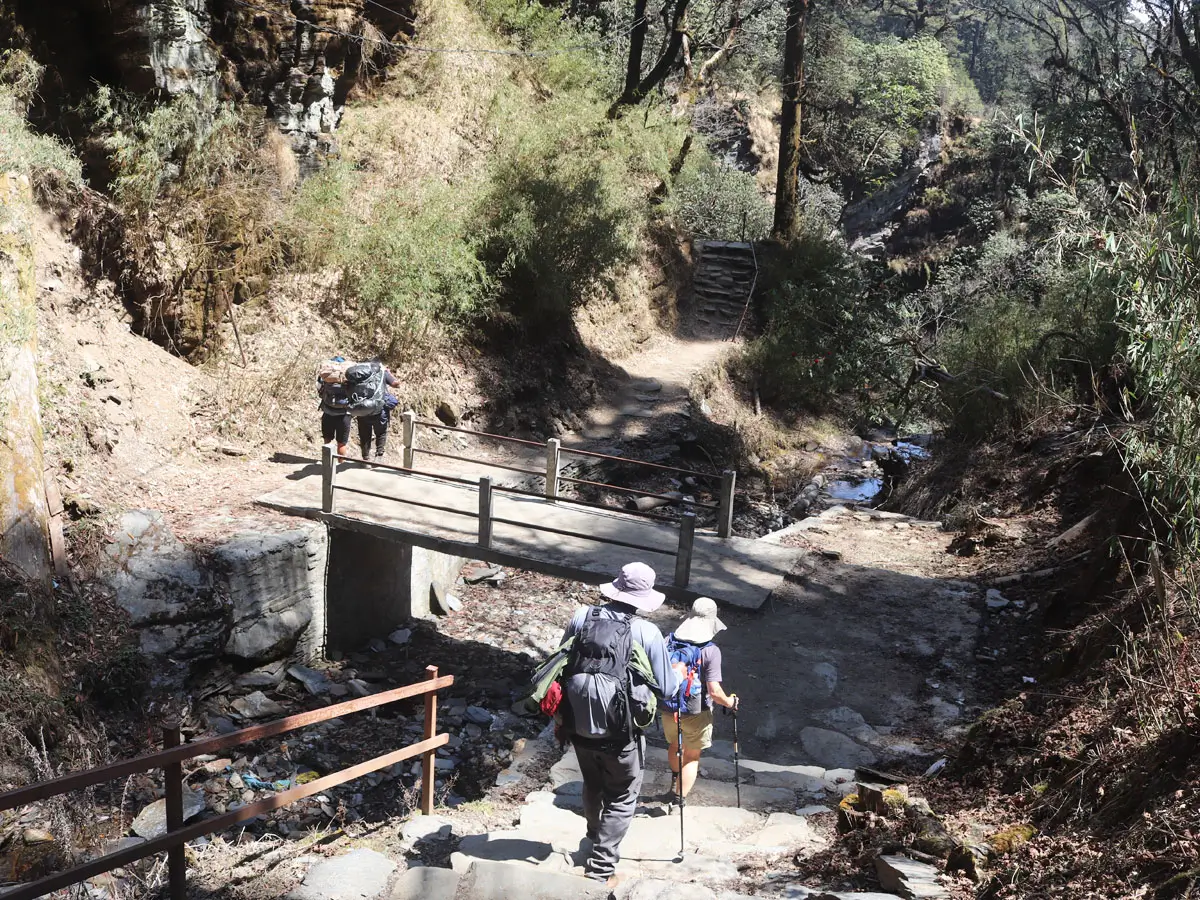
Ghorepani-poon hill Trekking trail!
Useful Tips for Poon Hill Trek in September - Smart Post-Monsoon Trekking Advice
The Poon Hill Trek in September offers lush scenery, peaceful trails, and refreshing trekking conditions, and smart preparation can make the experience significantly smoother and more enjoyable. September is a transition month between the monsoon and autumn, and trekkers should prepare for changing weather, damp forest trails, and cooler mountain mornings.
The following practical tips are designed for September trekking in the Ghorepani - Poon Hill region.
Start Early for Better Mountain Views and Stable Weather
September mornings are usually the clearest part of the day before clouds build later in the afternoon, and starting early helps trekkers:
Enjoy clearer Himalayan views
Avoid afternoon rain showers
Walk in cooler temperatures
Reach the teahouses before the weather changes
The sunrise hike to Poon Hill should begin before dawn for the best panoramic experience.
Don't Skip Sunrise at Poon Hill
One of the biggest mistakes trekkers make is underestimating the sunrise experience at Poon Hill (3,210 m). On clear mornings, you can witness:
Golden sunlight over Annapurna South
Machhapuchhre glowing under morning light
Clouds floating beneath mountain peaks
Panoramic Himalayan views stretching across the horizon
Late September often provides especially beautiful sunrise conditions.
Use Trekking Poles for Stone Staircases and Wet Trails
The Poon Hill route features many steep stone staircases, especially around Ulleri and Ghorepani. During September, these sections may remain damp after rain, and the trekking poles help:
Improve balance on slippery steps
Reduce knee strain during descents
Maintain a steady walking rhythm
They are especially useful during the early September trekking.
Carry Lightweight Rain Protection Every Day
Even when mornings look clear, September weather can change quickly in the Annapurna hills, and the essential rain items include:
Lightweight waterproof jacket
Backpack rain cover
Quick-dry clothing
Waterproof pouch for electronics
Most rain showers are short, but proper preparation prevents discomfort.
Dress in Layers for Changing Temperatures
September temperatures range from humid in the lower villages to cooler and the mornings at high altitude, with a layering system:
Breathable base layer
Light fleece or mid-layer
Rain/wind protection layer
This helps trekkers to stay comfortable throughout the day without having to carry heavy clothing.
Be flexible with Mountain Visibility Expectations
September mountain views can change rapidly depending on weather patterns, and you may experience:
Crystal-clear mornings
Dramatic cloud movement
Mist-covered valleys
Sudden visibility improvement after rainfall
Sometimes the most memorable Himalayan scenery happens between the clouds, not only under fully clear skies.
Stay Hydrated During Long Uphill Sections
The many uphill staircases on the route can feel tiring, especially in humid lower elevations, and have the hydration habits:
Drink water regularly
Take short breaks during steep climbs
Drink warm tea in teahouses
Avoid rushing uphill sections
Proper hydration improves both comfort and energy.
Pack light for a more comfortable Trekking Experience
Because the Poon Hill Trek is relatively short, overpacking becomes unnecessary and tiring, so focus on:
Lightweight essentials
Practical trekking clothes
Minimal extra items
A lighter backpack makes uphill stair sections much easier.
Enjoy the Teahouse Experience and Local Culture
September's quieter atmosphere creates a more relaxed teahouse environment than October's busy atmosphere, and you can enjoy:
Peaceful evenings in mountain lodges
Local Gurung and Magar hospitality
Warm meals after rainy trekking days
Calm village atmosphere
These cultural moments become an important part of the trekking experience.
Packing Tips for Poon Hill Trek in September - Smart and Lightweight Gear for Post - Monsoon Season
Packing properly for the Poon Hill Trek in September helps you to stay comfortable as conditions change during the post-monsoon period. Since September is a transition month, you should prepare for occasional rain, damp forest trails, cool mornings at higher elevations, and warm daytime walking conditions in lower villages.
The ideal approach for the September trekking is simple:
Pack light, stay dry, and layer smart
Because the trek is relatively short and beginner-friendly, carrying unnecessary weight only makes the long stair sections more tiring.
Essential Clothing for September Trek to Poon Hill
Recommended clothing:
Moisture-wicking t-shirts
Quick-dry trekking pants
Lightweight fleece jacket
Light waterproof jacket
Breathable inner layers
Extra trekking socks
Comfortable sleepwear for teahouses
Avoid heavy cotton clothing because it dries slowly after rain.
Rain Protection Is Very Important in September
Even though rainfall decreases gradually throughout September, short rain showers are still possible, and you must carry rain gear:
Waterproof rain jacket
Backpack rain cover
Small umbrella (optional but useful)
Waterproof pouch for phone/documents
Lightweight rain protection is usually enough for the Poon Hill Trek.
Trekking Gear Essentials
Comfortable trekking equipment makes a major difference on stair-heavy sections of the trail, and important gear includes:
Trekking shoes with a strong grip
Trekking poles
Comfortable daypack (25–35L)
Reusable water bottles
Headlamp or flashlight
Sunglasses for sunny mornings
Good shoes are especially important during wet September conditions.
Layering Strategy for Changing Weather Conditions
September weather can change quickly between lower villages and higher viewpoints, and the best clothing system is:
Base Layer: Light breathable clothing for daytime trekking
Mid Layer: Light fleece for cool mornings and evenings
Outer Layer: Rainproof or windproof jacket for weather protection
Sleeping and Comfort Items
The nighttime temperatures remain moderate, but higher villages like Ghorepani can feel cool, and useful comfort items include:
Lightweight sleeping bag or liner
Quick-dry towel
Comfortable sandals/slippers for teahouses
Most teahouses provide blankets, especially during trekking season.
Health and Personal Essentials
Helpful personal items include:
Sunscreen
Lip balm
Personal medicine/basic first aid
Wet wipes or hand sanitizer
Insect repellent (useful early September)
These small items improve comfort significantly during multi-day trekking.
Smart Packing Tips for September Trekking
To keep trekking easier and more enjoyable, please do following:
Carry only essential clothing
Avoid unnecessary electronics
Use waterproof packing bags
Keep rain gear easily accessible
A lighter backpack makes uphill stair sections much more manageable.
Yes, September is a good and rewarding time for the Poon Hill Trek, especially from mid to late September. The trails become fresh and green after the monsoon season, waterfalls remain active, and weather conditions gradually improve throughout the month.
Trekkers who enjoy peaceful trails, dramatic scenery, and vibrant landscapes often find September highly enjoyable.
Does it rain a lot during the Poon Hill Trek in September?
Rainfall is still possible during September, especially in the early weeks, but it gradually decreases as autumn approaches, and the typical pattern:
Early September: occasional rain showers
Mid-September: improving weather
Late September: mostly stable trekking conditions
Most rain occurs during afternoons or evenings rather than all day.
Can I see mountain views clearly in September?
Yes, especially during mid to late September when skies become clearer.
Trekkers may enjoy views of:
Annapurna South
Machhapuchhre (Fishtail)
Dhaulagiri
Hiunchuli
Nilgiri peaks
Early September may still bring cloud cover, but sunrise visibility improves steadily as the month progresses.
Is the Poon Hill Trek difficult in September?
The Poon Hill Trek is considered easy to moderate and suitable for beginners, and the main physical challenge comes from:
Uphill stair sections
Long walking days
Wet trails during early September
However, the moderate altitude and shorter trekking duration make the trek manageable for most travelers.
Are there leeches on the Poon Hill Trek in September?
Leeches may occasionally appear in lower forest sections during early September, especially after rainfall. however:
They are mostly limited to wet forest areas
They are easy to avoid with proper clothing
They become much less common later in the month
Most trekkers do not experience serious problems.
What is the weather like at Poon Hill in September?
September weather is generally:
Cool and refreshing in the mornings
Mild during daytime trekking
Slightly humid at lower elevations early in the month
Cooler near Ghorepani and Poon Hill
The weather becomes increasingly stable toward late September.
Is Poon Hill Trek suitable for beginners and families?
Yes, the Poon Hill Trek in September is highly suitable for:
Beginner trekkers
Families with older children
Couples
Older travelers with reasonable fitness
The trek offers Himalayan scenery without extreme altitude difficulty.
What should I pack for the Poon Hill Trek in September?
Important items include:
Waterproof jacket
Trekking shoes with a good grip
Quick-dry clothing
Lightweight warm layers
Rain cover for backpack
Because September is a transition month, trekkers should prepare for both sunshine and occasional rain.
Which part of September is best for the Poon Hill Trek?
Mid to Late September is usually considered the best period, and this time offers:
Decreasing rainfall
Improving mountain visibility
Greener landscapes
More stable trekking conditions
Late September especially begins to feel like Nepal’s peak autumn trekking season.
Why is the Poon Hill Trek popular in September?
The trek becomes popular in September because it combines:
Lush post-monsoon scenery
Quieter trekking atmosphere
Comfortable temperatures
Dramatic cloud and mountain landscapes
Short and beginner-friendly trekking route
For many trekkers, September offers a more peaceful, visually dynamic experience than the crowded peak season.
Conclusion - Is September the Right Time for Poon Hill Trek?
If you are looking for a short Himalayan adventure filled with lush landscapes, peaceful trails, dramatic mountain scenery, and authentic village culture, the Poon Hill Trek in September is an excellent choice.
September brings a unique atmosphere to the Annapurna region: the hills remain fresh and vibrant after the monsoon, waterfalls flow strongly through forests, and clouds move dramatically across valleys and ridges. September offers a calmer, more immersive trekking experience, where nature feels alive and constantly changing.
One of the biggest advantages of the September Poon Hill trek is the balance between scenery and tranquility. While weather conditions may still be slightly unpredictable during the early part of the month, trekking conditions improve steadily toward late September. Clear sunrise views from Poon Hill (3,210 m) become more frequent, trails begin drying, and the famous Annapurna panoramas appear increasingly sharp and beautiful.
The Poon Hill trek is also highly accessible, with moderate altitude, comfortable walking distances, and well-established teahouse infrastructure. It remains suitable for beginners, couples, families, and travelers with limited time who still want a meaningful Himalayan trekking experience.
September also allows trekkers to experience the region's cultural side more personally. The traditional Gurung and Magar villages feel peaceful and welcoming, which creates opportunities for genuine local interaction and relaxed evenings in cozy mountain teahouses.
The occasional rain and cloudy conditions may still occur in early September. However, for many trekkers, the rewards of fresh greenery, peaceful trails, and dynamic Himalayan scenery far outweigh these small seasonal challenges, and in simple terms:
If you want lush scenery, peaceful trails, and fresh post-monsoon beauty- September
For travelers seeking a visually rich and beginner-friendly Himalayan journey, the Poon Hill Trek in September remains one of the most rewarding short treks in Nepal.
Langtang Valley Trek in November offers one of the clearest and most peaceful trekking experiences in Nepal. It is one of the best times to experience a short yet spectacular Himalayan journey in the [...]